What a Dark Web Shopping Website Actually Is
A dark web shopping website is a marketplace built on Tor infrastructure, typically accessed via a .onion address rather than a standard domain. These sites function like conventional online stores: they display product listings, handle transactions (usually in cryptocurrency), manage vendor ratings, and process disputes between buyers and sellers. The key difference is anonymity. Both the site operators and users can mask their identity and location, which theoretically protects privacy but also removes the accountability mechanisms that traditional e-commerce platforms enforce.
The technical architecture relies on Tor's onion routing, which encrypts traffic through multiple relays before reaching the destination server. This makes it difficult for internet service providers, network administrators, or law enforcement to identify who is accessing the site or from where. However, this anonymity is not absolute. The Tor Project documentation emphasizes that Tor protects against traffic analysis but does not guarantee immunity from determined adversaries with sufficient resources.
How Dark Web Shopping Sites Operate
Most dark web shopping websites follow a marketplace model similar to eBay or Amazon, but with critical differences in trust infrastructure. Vendors create accounts, list products with descriptions and prices, and buyers place orders. Escrow systems hold cryptocurrency payments until the buyer confirms receipt, theoretically protecting both parties. Reputation systems display vendor ratings and review counts, which incentivize honest behavior.
However, the lack of legal recourse and identity verification creates structural problems. A vendor can disappear with payment at any time, a practice called an exit scam. Buyers cannot easily dispute transactions through chargebacks or payment reversals because cryptocurrency transfers are irreversible. Many sites have experienced catastrophic failures: operators have seized all escrow funds and shut down, leaving thousands of users with no recovery option. The anonymity that protects legitimate users also protects criminals, making it impossible to verify whether a vendor is a real person, a law enforcement honeypot, or a scammer operating under a stolen reputation.
The Reality: Phishing Clones and Impersonation
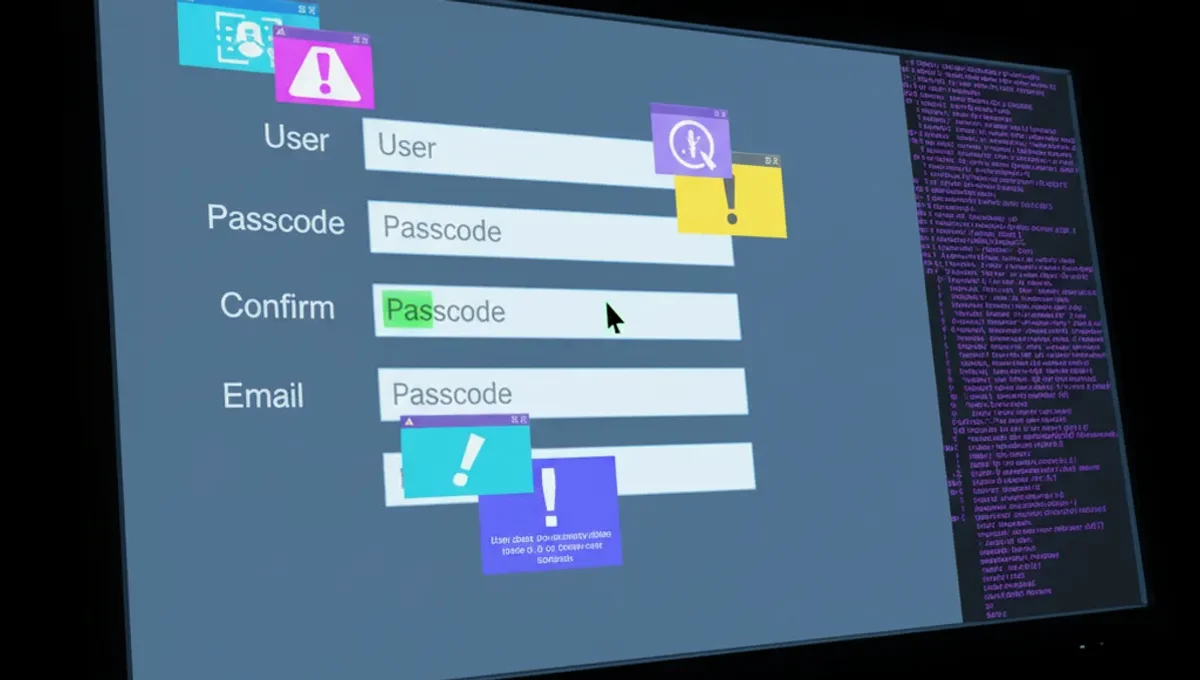
One of the most common threats on dark web shopping websites is the phishing clone. Attackers create fake versions of legitimate marketplaces, often with nearly identical layouts and branding, and distribute the fraudulent .onion address through forums, Reddit, or social media. Users who accidentally visit the clone instead of the real site may deposit cryptocurrency, which the attacker immediately steals.
Verifying the correct address is difficult because .onion addresses are long, random character strings that are hard to memorize or distinguish at a glance. Many legitimate sites publish their official addresses only on PGP-signed announcements or through their own previous iterations, but users who do not check these sources remain vulnerable. Law enforcement and security researchers have documented dozens of cases where users lost significant sums to clones. The Tor Project's documentation warns that users must verify addresses through multiple independent sources and never trust a link shared in an unverified context.
Why People Use Dark Web Shopping Websites
Motivations vary widely. Some users seek privacy for legitimate reasons: activists in repressive countries, journalists protecting sources, or people buying sensitive items like medical supplies without surveillance. Others use these sites to purchase illegal goods, from drugs to stolen data to weapons. A third group consists of people curious about the technology or testing their security knowledge.
The appeal of a dark web best website from a user perspective often centers on perceived anonymity and lack of censorship. Unlike mainstream platforms that remove listings for legal or policy reasons, darknet marketplaces typically impose minimal content restrictions. This attracts vendors selling items that are legal in some jurisdictions but banned in others, as well as those selling clearly illegal goods. Understanding this motivation is important for assessing risk: a site that claims to offer complete anonymity and no moderation is also a site where scammers operate freely and law enforcement attention is highest.
Law Enforcement and Marketplace Seizures
Dark web shopping websites are frequent targets of law enforcement operations. Court records and public press releases from agencies like the FBI and Europol document the seizure and shutdown of major marketplaces. These operations typically involve months of undercover investigation, cryptocurrency tracing, and coordination with international partners. When a site is seized, its servers are taken offline, user data may be subpoenaed, and operators face criminal charges ranging from money laundering to drug trafficking to fraud.
The most significant seizures have resulted in the arrest of marketplace operators and the recovery of millions in cryptocurrency. However, the decentralized nature of the darknet means that new sites launch constantly to replace those that are shut down. Users who believe they are anonymous often discover otherwise when law enforcement has sufficient motivation and resources. This reality matters because it contradicts the common misconception that the dark web is a lawless zone beyond reach. Jurisdictional challenges exist, but they do not provide immunity.
Risks Beyond Scams and Seizure
Using a dark web shopping website exposes users to multiple layers of risk beyond financial loss. Malware is endemic: sites may contain drive-by downloads, malicious JavaScript, or trojanized software. Vendors may send counterfeit or contaminated products. Cryptocurrency transactions, while pseudonymous, leave a permanent record on the blockchain that can be analyzed and traced by law enforcement and private security firms using chain analysis tools.
There is also the risk of entrapment or honeypots. Law enforcement agencies have operated fake marketplaces to identify and prosecute users. A site that appears to be a legitimate dark web access website may actually be controlled by investigators. Additionally, users who access these sites from home networks without additional security measures risk exposing their real IP address if their Tor configuration is misconfigured or if the browser has vulnerabilities. The Tor browser itself is regularly updated to patch security flaws, but users who do not keep their software current remain exposed.
How to Verify Legitimacy and Protect Yourself
If you need to access a dark web shopping website for legitimate reasons, verification is critical. Follow these steps:
- Obtain the official .onion address only from PGP-signed announcements or the site's own previous version.
- Verify the PGP signature using the site operator's public key, which should be available through multiple independent sources.
- Check the address character-by-character before entering it into your browser.
- Use a dedicated device or virtual machine running Tails or Whonix to isolate the browsing session.
- Keep the Tor browser and operating system fully updated.
- Never enable browser plugins or extensions that might leak your identity.
- Use a VPN before connecting to Tor only if you have a specific threat model that requires it; for most users, Tor alone is sufficient.
Even with these precautions, assume that any transaction carries risk. Do not deposit more cryptocurrency than you can afford to lose. Research vendor history and read reviews carefully, but remember that reputation systems can be manipulated. If something feels rushed or too good to be true, it almost certainly is.
The Takeaway: Knowledge Over Participation
Dark web shopping websites exist because anonymity and decentralization solve real problems for some users and create opportunities for criminals. The technology itself is neutral, but the ecosystem that has grown around it combines genuine privacy tools with scams, malware, and law enforcement attention. Understanding how these sites work, their vulnerabilities, and the risks they pose is valuable for security awareness, threat assessment, and informed decision-making.
If you are researching this topic for professional reasons, security awareness, or personal curiosity, start by reading the Tor Project's official documentation on onion services and threat modeling. If you are considering using a dark web shopping website, ask yourself whether the anonymity you seek is worth the financial, legal, and security risks. For most people, the answer is no. If you have already lost money to a scam or suspect you have been targeted, document everything and report it to your local law enforcement agency or the FBI's Internet Crime Complaint Center.
Common Questions
Are dark web shopping websites legal to use
Accessing a dark web shopping website is legal in most countries. However, purchasing illegal goods through these sites is not. The legality depends on what you buy, not on the platform itself. Law enforcement focuses on prosecuting sellers and buyers of contraband, not on mere access to the technology.
How do I know if a dark web shopping site is real or a phishing clone
Verify the .onion address through PGP-signed announcements from the site operator, never from links in forums or social media. Check the signature using the operator's public key. Compare the address character-by-character to official sources. If you cannot verify it independently, do not use the site.
Can I be traced if I use a dark web shopping website
Tor protects against traffic analysis, but it does not guarantee anonymity. Law enforcement has successfully traced users through operational security mistakes, cryptocurrency analysis, and malware. If you use these sites, assume that determined investigators with sufficient resources can identify you.
What should I do if I lost money to a dark web shopping scam
Report the incident to your local law enforcement agency or the FBI's Internet Crime Complaint Center. Document all communications, transaction IDs, and cryptocurrency addresses involved. Recovery is unlikely, but reporting helps law enforcement track patterns and build cases against operators.
Is it safe to use a VPN with Tor to access dark web shopping sites
For most users, Tor alone is sufficient. Using a VPN before Tor can actually reduce anonymity if the VPN provider logs traffic or is compromised. Only use a VPN if you have a specific threat model that requires hiding the fact that you are using Tor from your ISP.