What Darknet Websites Looked Like in 2022
In 2022, the dark web marketplace ecosystem included forums, drug markets, and information-trading sites accessed only through Tor. These darkweb sites operated as hidden services, meaning their .onion addresses were not indexed by search engines and required the Tor browser to reach. The largest dark web market sites functioned like e-commerce platforms with vendor profiles, escrow systems, and user feedback ratings, though without legal accountability or payment processor oversight.
Most deep web websites in 2022 relied on cryptocurrency for transactions and required users to create accounts with usernames and passwords. Forums served as discussion boards where users shared operational security tips, debated market conditions, and warned each other about suspected law-enforcement honeypots. The best dark web sites of that era maintained strict moderation policies and banned vendors caught scamming, though enforcement was inconsistent and exit scams remained common.
Major Marketplaces and Their Documented Status
Several large dark web market sites operated throughout 2022, though their status has changed significantly since then. Some were seized by coordinated law-enforcement operations across multiple countries; others announced voluntary shutdowns citing operational risk or founder burnout. A few executed exit scams, disappearing with customer funds and vendor deposits.
The specific names, closure dates, and circumstances of individual markets are documented in public law-enforcement press releases and court records. Rather than list active or recently-closed markets here, you should verify current status through the Useful Resources page on this site, which links to official Tor Project announcements and PGP-signed statements from legitimate darknet communities. This approach protects you from accidentally visiting phishing clones or honeypots that impersonate defunct sites.
How Dark Web Drug Sites and Forums Operated
Best dark web drug sites in 2022 typically used a marketplace model where vendors listed products, customers placed orders, and the platform held payment in escrow until delivery was confirmed. Vendors built reputation through transaction history and user reviews, similar to legitimate e-commerce sites but without any regulatory oversight or buyer protection.
Forums functioned differently: they were discussion spaces where users shared information about vendors, warned about scams, and debated which markets were trustworthy. Some forums charged membership fees or required vouching from established members to prevent infiltration by law enforcement. The best dark web sites maintained active moderators who removed spam and banned users caught running scams, though this moderation was often reactive rather than preventive. Trust was fragile and constantly tested by exit scams, law-enforcement takedowns, and the emergence of phishing clones designed to steal login credentials.
Why These Sites Were Seized or Closed
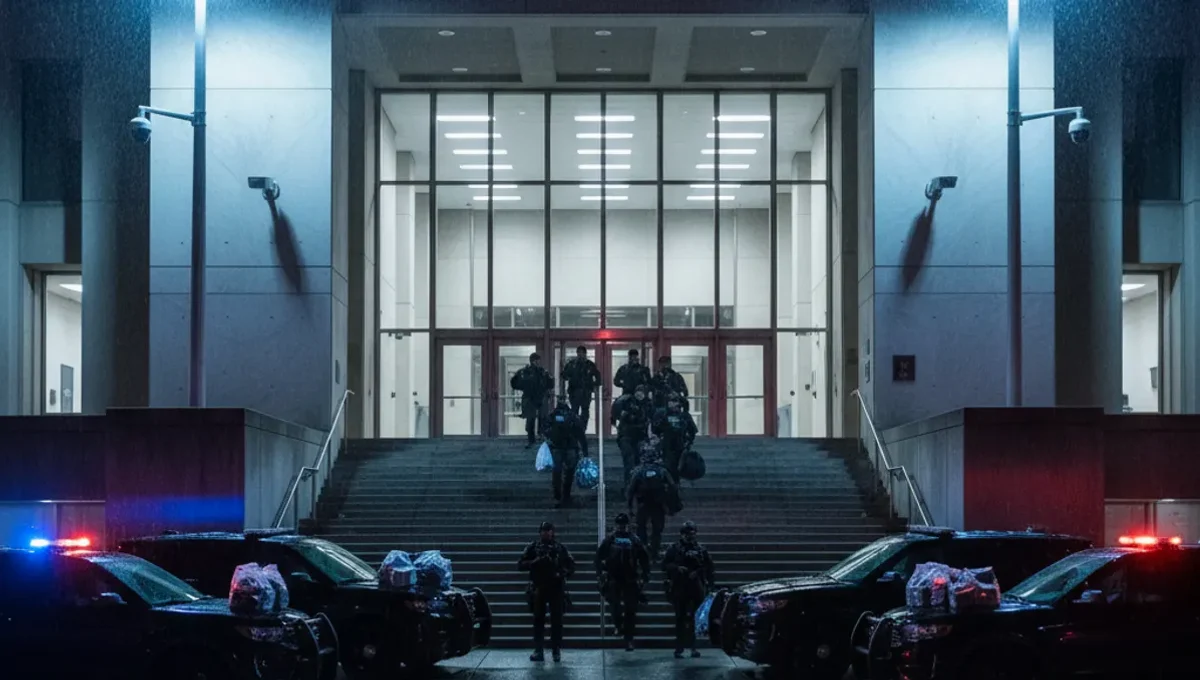
Law-enforcement agencies worldwide coordinated operations to shut down major darknet websites and marketplaces. These actions typically involved identifying server infrastructure, tracing cryptocurrency transactions, and arresting operators and key administrators. Court records and press releases from agencies like the U.S. Department of Justice, Europol, and national police forces document these seizures in detail.
Beyond law enforcement, many dark web sites 2022 closed voluntarily when operators decided the operational risk outweighed the profit, or when they executed exit scams and disappeared with user funds. Some markets were compromised by hackers who stole vendor data or customer information. Understanding why these sites failed teaches an important lesson: no darknet marketplace offers genuine buyer or vendor protection, and the promise of anonymity does not prevent law enforcement from eventually identifying and prosecuting operators.
Reality Check: How the Darknet Actually Works
The Tor Project documentation confirms that Tor hidden services provide strong technical anonymity for both users and site operators, but anonymity is not invulnerability. Law-enforcement agencies have successfully identified hidden service operators through traffic analysis, cryptocurrency tracing, operational security mistakes, and cooperation from compromised insiders. This matters to you because it means that using Tor does not guarantee you will avoid consequences if you engage in illegal activity, and it means that visiting darkweb sites carries real legal risk depending on your jurisdiction and what you access.
Security-vendor incident reports and academic research on onion services show that most users of dark web market sites lose money through scams, not law enforcement. Exit scams, vendor theft, and marketplace hacks are far more common than arrests for mere browsing. Additionally, phishing clones of popular dark web sites 2022 proliferated after the originals were seized, tricking users into entering credentials on fake sites controlled by scammers or law enforcement. This teaches you that verifying onion addresses through PGP-signed announcements and official channels is essential before trusting any site with personal information or funds.
How to Verify Onion Addresses and Avoid Phishing Clones
When you encounter a claimed onion link for a dark web site, follow these steps to verify it is legitimate and not a phishing clone:
- Check the official Tor Project directory and the Useful Resources page of this site for PGP-signed announcements from the site operator.
- Verify the PGP signature using the operator's public key to confirm the address has not been modified.
- Compare the onion address character-by-character with the official announcement; even one wrong character means it is a fake.
- Look for HTTPS and a valid certificate within the Tor browser, though note that this alone does not guarantee legitimacy.
- Check community forums and Reddit discussions about the site, but remember that scammers post fake endorsements there too.
Phishing clones typically use addresses that are similar to the real one but differ by a few characters, or they register new addresses and promote them through social engineering. Never click an onion link from an untrusted source, and never enter credentials or funds into a site you have not verified through multiple independent official channels.
What You Should Do Instead of Visiting Dark Web Sites
If you are interested in darknet history, security research, or understanding how online anonymity works, there are safer paths than visiting active dark web sites. Read documented case studies from law-enforcement press releases and court records, which provide detailed information about how past marketplaces operated and why they failed. Follow security researchers and journalists who cover darknet topics responsibly.
If you are concerned about your personal data on the dark web, use legitimate data-breach monitoring services and check whether your email address appears in known leaks through official resources. If you are interested in privacy and anonymity for legitimate reasons, learn about Tor, VPNs, and encryption through the Tor Project documentation and reputable security guides. The key takeaway is this: curiosity about dark web sites is understandable, but the actual risk of visiting them far outweighs any information you might gain, and the same information is available through safer, legal channels.
Common Questions
Are dark web sites from 2022 still online
Most major dark web sites that operated in 2022 have been seized by law enforcement or closed by their operators. Some were exit scams where administrators disappeared with user funds. A few may still operate under new addresses, but their status changes frequently. Check the Useful Resources page of this site for current information before trusting any onion link.
What happened to the best dark web sites in 2022
The largest darknet marketplaces and forums from 2022 were targeted by coordinated law-enforcement operations, voluntarily shut down by operators, or compromised by hackers. Court records and press releases from the U.S. Department of Justice and Europol document many of these seizures. Users who had funds or deposits on these sites often lost their money.
How do I know if a dark web site is real or a phishing clone
Verify the onion address through PGP-signed announcements from the site operator, available on official channels and the Useful Resources page of this site. Compare the address character-by-character with the official announcement. Phishing clones use similar but slightly different addresses to trick users into entering credentials. Never trust an onion link from an untrusted source.
Is it legal to visit dark web sites
Visiting the dark web itself is legal in most countries, but accessing specific content may violate laws depending on your jurisdiction and what you view. Purchasing illegal goods or services is illegal everywhere. Law enforcement can and has identified and prosecuted users of darknet marketplaces. The legal risk is real and significant.
What is the difference between dark web and deep web sites
The deep web includes all parts of the internet not indexed by search engines, such as email accounts, medical records, and paywalled content. The dark web is a small part of the deep web that has been intentionally hidden and requires specific software like Tor to access. Most deep web content is mundane and legal; the dark web is where hidden services operate.