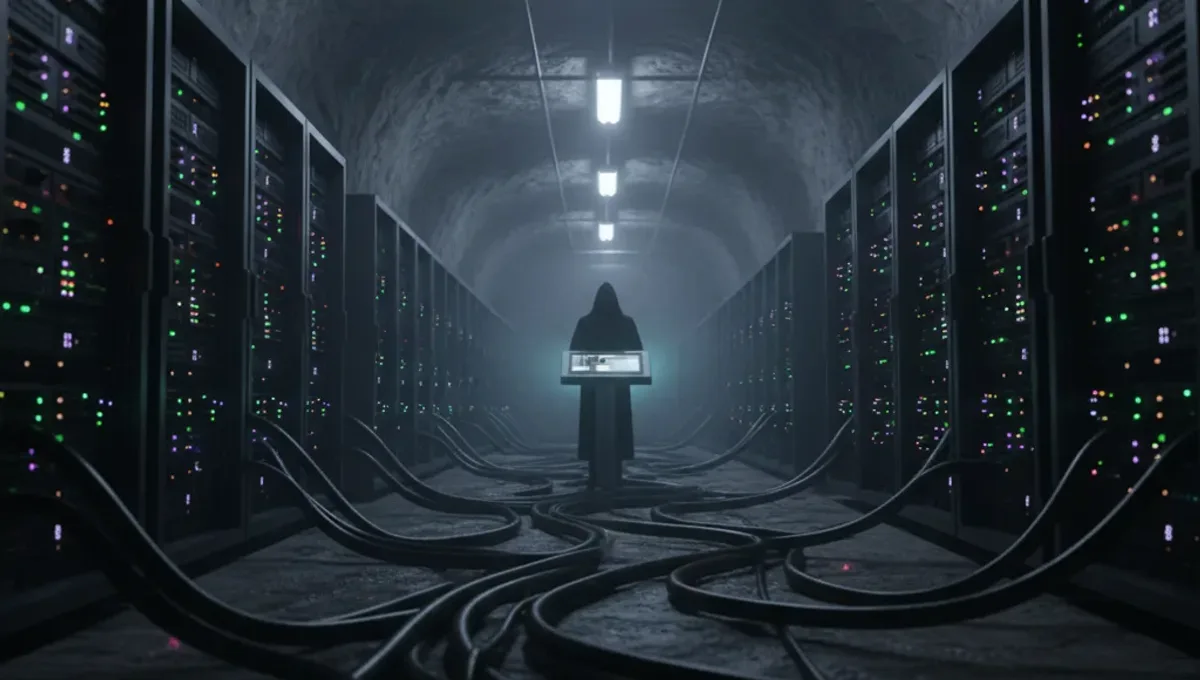
What Is Tor and How Does It Create the Dark Web Online
Tor is free software that anonymizes internet traffic by routing it through a series of volunteer-operated relays around the world. Each relay encrypts a layer of data, so no single relay knows both your identity and your destination. When you use the Tor browser to visit a hidden service, your connection is encrypted end-to-end, and the service itself is hidden behind a .onion address that masks its physical location.
The dark web online refers specifically to content hosted on Tor hidden services and similar anonymity networks. It is not a separate internet; it is an overlay on top of the regular internet, accessible only through tools like Tor. A .onion address is a cryptographic identifier, not a domain name registered with a traditional registrar. This means anyone can create a hidden service, and there is no central authority to verify who is behind it.
The Tor Project, a nonprofit organization, maintains the core Tor software and network. Thousands of volunteers run relay nodes that carry traffic. This decentralized structure makes it difficult for any single actor to monitor or shut down the network entirely.
Why People Access the Tor Dark Web Online
Legitimate reasons for using Tor and accessing dark web online services include protecting privacy from surveillance, circumventing censorship in restrictive countries, and secure communication for journalists and whistleblowers. Dissidents, human rights workers, and activists in authoritarian regimes use Tor to organize and publish without fear of arrest. Ordinary people use it to avoid commercial tracking and data collection by advertisers and internet service providers.
SecureDrops and similar platforms hosted on Tor allow journalists to receive anonymous tips from sources who would otherwise face retaliation. Libraries, universities, and privacy advocates recommend Tor for users who want to reclaim control over their digital footprint. The Electronic Frontier Foundation and similar organizations provide guides on using Tor safely.
However, the same anonymity that protects a dissident also protects criminals. Illegal marketplaces, stolen data sales, and forums for coordinating fraud have historically operated on the dark web online. Law enforcement agencies worldwide have learned to investigate Tor-based crimes by analyzing blockchain transactions, compromising exit nodes, and using traditional detective work to identify operators.
Dark Web Online vs. Deep Web: Understanding the Distinction
The deep web is any part of the internet not indexed by standard search engines. This includes password-protected email accounts, medical records, academic databases, and corporate intranets. The deep web is enormous and mostly mundane. When you log into your bank account, you are on the deep web.
The dark web online is a small, intentionally hidden subset of the deep web. It requires specific software like Tor to access and is designed for anonymity. Not all dark web content is illegal, but the anonymity it provides attracts both legitimate privacy advocates and criminals.
Confusing these terms leads to misconceptions. Most of the internet is not dark or dangerous; it is simply private. The dark web online is a specific technical layer, not a monolith of criminal activity. Understanding this distinction helps you assess actual risks rather than reacting to sensationalized media coverage.
How to Access Tor Dark Web Online Safely
Accessing the Tor dark web online requires the Tor browser, which is free and maintained by the Tor Project. Before downloading, verify that you are using the official source to avoid phishing clones or malware-infected versions.
Basic steps to get started:
- Download the Tor browser from the official Tor Project website only.
- Install it on your device following the provided instructions.
- Open the browser and wait for it to connect to the Tor network.
- Once connected, you can visit .onion addresses by typing them into the address bar.
- Do not resize your browser window, as this can reveal your screen resolution and compromise anonymity.
- Do not enable plugins or extensions unless you understand the security implications.
- Assume that any .onion site could be a phishing clone or honeypot operated by law enforcement.
Verifying that you are connected to Tor is simple: the browser will display a green onion icon and a "Connected" message. If you visit a site like check.torproject.org, it will confirm that your traffic is routed through Tor. Never assume a .onion address is legitimate just because it is reachable; many sites impersonate popular marketplaces or forums to steal credentials or distribute malware.
Risks and Reality of the Tor Dark Web Online
Using Tor itself is legal in most countries, but accessing certain content or engaging in illegal transactions is not. Law enforcement agencies have successfully prosecuted dark web online marketplace operators, vendors, and users by combining network analysis, cryptocurrency tracing, and traditional investigation techniques. Court records from prosecutions of marketplace operators show that even sophisticated operators make operational security mistakes that lead to identification.
According to security-vendor incident reports and Tor Project documentation, the most common risks to users are phishing clones of popular sites, malware-infected downloads, and scams where vendors take payment and never deliver. Many users lose money to exit scams, where marketplace operators shut down and disappear with customer funds. Another risk is deanonymization through browser exploits or by revealing personal information through careless behavior, such as using the same username across multiple sites or uploading files that contain metadata.
A critical insight from academic research on onion services is that the dark web online is not a lawless zone; it is heavily monitored. Law enforcement has infiltrated forums, run honeypot sites, and compromised Tor exit nodes to gather evidence. The anonymity Tor provides is technical, not magical. Users who believe they are invisible often take greater risks and make mistakes that expose them. For ordinary people, the main risk is simply encountering malware, scams, or illegal content by accident.
Tor Dark Web Websites and Search Engines
Finding .onion sites is difficult because traditional search engines do not index them. Specialized Tor dark web search engines like Torch and Ahmia exist, but they are incomplete and often return outdated or malicious results. Many search results link to phishing clones or honeypots.
Popular dark web online directories and wikis have historically served as curated lists of .onion addresses. However, these directories are frequently targeted by law enforcement, abandoned by their operators, or replaced by phishing clones. A directory that was active last month may be offline or compromised today. This constant churn makes it difficult to maintain a reliable list.
The safest approach is to rely on PGP-signed announcements from known operators or to access sites through trusted referrals from communities you already participate in. If you find a .onion address on a forum or in a directory, verify it against multiple sources before trusting it. Many users have lost cryptocurrency or personal information by visiting fake versions of popular sites.
Staying Safe When Using Tor Dark Web Online
Safety on the Tor dark web online depends on operational security, or OpSec. This means thinking carefully about what information you reveal and what risks you are willing to accept.
Key practices include:
- Use a dedicated device or virtual machine if you plan to access sensitive dark web online content.
- Never maximize your browser window, as this reveals your screen resolution.
- Disable JavaScript in Tor browser settings if you do not need it, as it can be exploited to reveal your IP address.
- Use a VPN before connecting to Tor only if you understand the trade-offs; this adds a layer of encryption but also introduces a potential point of failure.
- Never download files unless you are certain they are safe and you understand how to verify them.
- Assume that any marketplace or forum could be a honeypot or exit scam.
- Never use the same username across multiple sites or link your dark web online activity to your real identity.
- If you receive a message asking you to click a link or download a file, treat it with extreme skepticism.
The Tor Project provides detailed security guides on their website. Reading these before you start is essential. Many users who encounter problems on the dark web online did not take basic precautions and paid the price.
Moving Forward: Practical Next Steps
If you are considering using Tor and accessing the dark web online, start by understanding why you need it. If your goal is privacy from advertisers and ISPs, Tor is one tool among several, and a VPN or encrypted messaging app might be sufficient. If you need to access information in a censored country or communicate securely with sources, Tor is worth learning properly.
Begin by reading the official Tor Project documentation and security guides. Download the Tor browser only from the official source. Test your connection on a non-sensitive site first. If you plan to access marketplaces or forums, research the specific risks associated with that community before you participate.
Remember that the dark web online is not a separate internet; it is a tool with real consequences. The anonymity it provides is valuable for legitimate purposes but does not make you invisible to determined investigators or protect you from scams and malware. Approach it with the same caution you would use when traveling to an unfamiliar place: know where you are going, understand the risks, and do not take unnecessary chances.
Common Questions
Is using Tor and accessing the dark web online illegal
Using Tor itself is legal in most countries. Accessing the dark web online is also legal. However, accessing certain content or engaging in illegal transactions is not. Law enforcement distinguishes between the tool and how it is used. Journalists, activists, and ordinary privacy-conscious users rely on Tor legally every day.
How do I know if a .onion site is real or a phishing clone
Phishing clones are common on the dark web online. The safest approach is to verify .onion addresses against PGP-signed announcements from known operators or through multiple trusted sources. Never assume a site is legitimate just because it is reachable. If you are unsure, do not enter credentials or personal information.
Can I be traced if I use Tor to access the dark web online
Tor provides strong anonymity, but it is not perfect. Law enforcement has successfully identified Tor users through network analysis, browser exploits, cryptocurrency tracing, and by analyzing user behavior and mistakes. The risk depends on your threat model and operational security practices. Ordinary users are unlikely to be targeted, but assume that determined investigators can potentially identify you if you make mistakes.
What is the difference between Tor dark web download and accessing it online
Tor dark web download refers to installing the Tor browser software on your device. Accessing the dark web online means using that browser to connect to hidden services and .onion addresses. You must download and install Tor first before you can access the dark web online. Always download from the official Tor Project website to avoid malware.
Are there legitimate reasons to use the Tor dark web online
Yes. Journalists use it to receive anonymous tips. Activists and dissidents in censored countries use it to organize and publish. Privacy advocates use it to avoid commercial tracking. Whistleblowers use it to communicate securely. Ordinary people use it to reclaim control over their digital footprint. The anonymity Tor provides has real value for people facing surveillance or censorship.