What Sour Candy Websites Actually Are
Sour candy websites are typically onion-based marketplaces or forums that use playful, innocuous-sounding names as cover. The name itself is a form of obfuscation: it sounds harmless, which is the point. These sites may operate as general dark web marketplaces, specialized forums, or vendor directories. Some are legitimate platforms for privacy-conscious users to buy legal items; others facilitate the sale of stolen data, counterfeit goods, or controlled substances. The ambiguity is deliberate. Operators use coded language and cute branding to reduce the chance that automated systems or casual observers will flag them. Users often discover these sites through word-of-mouth on Reddit, encrypted chat groups, or dark web directories. The barrier to entry is low: anyone with Tor Browser can visit, though most legitimate users verify onion addresses through PGP-signed announcements or trusted community sources before accessing them.
How These Marketplaces Operate
Most dark web marketplaces, regardless of their branding, follow a similar operational model. They host vendor accounts, escrow systems, and user forums. Vendors list products, users browse and purchase, and the platform holds funds in escrow until the transaction completes. Communication typically happens through encrypted messaging built into the site. Reputation systems reward trustworthy vendors and flag scammers. Payment is usually in cryptocurrency, most commonly Bitcoin or Monero, because these currencies offer a degree of pseudonymity. The marketplace takes a cut of each transaction. Moderators enforce rules against certain activities, though enforcement varies widely depending on the site's actual purpose and the jurisdiction it claims to operate in. Many sites shut down after months or years, either due to law enforcement action, exit scams by operators, or voluntary closure. New mirrors and clones appear regularly, often as phishing attempts designed to steal credentials or cryptocurrency from users who mistype an address or click a malicious link.
Why Users Are Drawn to These Sites
Users access dark web marketplaces for several reasons. Some seek privacy for legal purchases: books, privacy tools, or items they prefer to buy anonymously. Others are attracted by the perception that the dark web is a best website for dark web shopping because it offers goods unavailable on the clear web. Still others are curious or have been directed there by friends. A significant portion are looking to buy illegal goods, though the proportion varies by site. The appeal of anonymity is powerful, even for people who have nothing to hide; the psychological draw of a hidden space where rules seem not to apply is real. Additionally, some users believe dark web sites offer better prices or exclusive products. The reality is more complicated: many dark web marketplaces are scams, prices are often inflated, and the risk of arrest, theft, or malware infection is substantial. Newcomers often underestimate these risks because the interface looks professional and the community language sounds trustworthy.
Reality Layer: How These Ecosystems Actually Behave
According to Tor Project documentation and public law-enforcement press releases, dark web marketplaces are inherently unstable. Operators frequently exit scam, stealing customer funds and vendor deposits before disappearing. This matters because it means no marketplace is truly safe, regardless of reputation or longevity. Second, phishing clones are ubiquitous: scammers create fake mirrors of popular sites and distribute the addresses through forums and chat groups. Users who mistype an address or click a malicious link hand over their credentials and funds to criminals. Third, law enforcement agencies worldwide have successfully infiltrated and seized major marketplaces by identifying operators through transaction analysis, server logs, and informants. Court records from prosecutions show that even sophisticated operators make mistakes that lead to identification. Finally, malware distribution is common on these sites: vendors may include keyloggers or clipboard hijackers in product downloads, or the site itself may be compromised. These realities mean that visiting any dark web marketplace carries genuine risk, and the perceived anonymity is often illusory.
Phishing Clones and How to Avoid Them
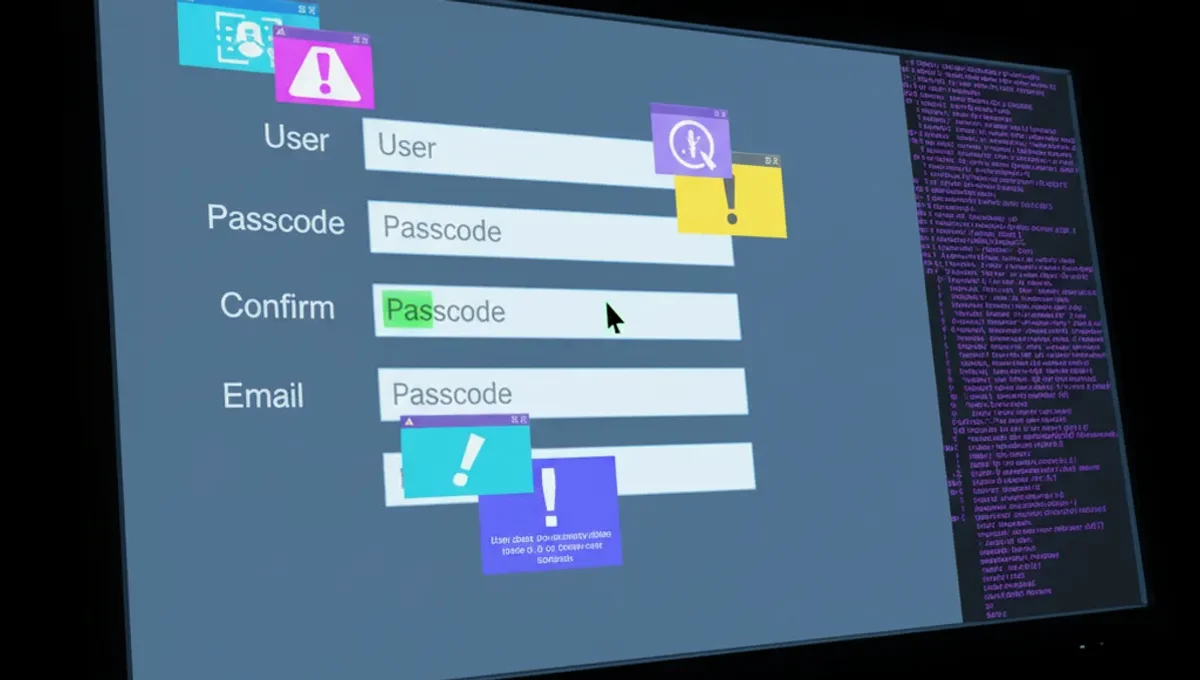
Phishing clones are fake copies of legitimate dark web sites designed to steal login credentials and cryptocurrency. They are distributed through social media, forums, and direct messages. A clone looks identical to the real site but has a different onion address. Users who visit the clone, log in, or send cryptocurrency lose their funds and credentials immediately. To verify a legitimate address, follow these steps:
- Visit the official project or marketplace's social media or forum account
- Look for a PGP-signed announcement that includes the correct onion address
- Verify the PGP signature using the project's public key
- Copy the address directly from the signed message; never type it manually
- Check that the address matches before entering any credentials
Many users skip these steps because they seem tedious. This is exactly why phishing works. A few minutes of verification can prevent total loss of funds and identity compromise. If you are unsure whether an address is real, do not visit it. Instead, ask in a trusted community forum or check the Useful Resources page of this site.
Risks Beyond Scams and Law Enforcement
Even if a dark web marketplace is legitimate and you avoid phishing clones, other risks remain. Malware is common: vendors may bundle malicious code with downloads, or the site itself may be compromised. Your Tor exit node operator can see unencrypted traffic, though they cannot identify you. If you use the same username across multiple sites, you can be deanonymized through correlation attacks. Cryptocurrency transactions, while pseudonymous, can be traced by blockchain analysis tools used by law enforcement and private companies. If you purchase illegal goods, you are committing a crime in most jurisdictions, and law enforcement has successfully prosecuted buyers based on package delivery and transaction records. Additionally, many products sold on dark web marketplaces are counterfeit, stolen, or contaminated. There is no consumer protection, no refund policy, and no recourse if you are harmed. The website for the dark web may promise safety and privacy, but these promises are marketing. Your actual safety depends on your own operational security, your understanding of the technology, and your willingness to accept real consequences.
Safer Alternatives and When to Use Them
If your goal is privacy and anonymity for legal activities, there are safer approaches than visiting dark web marketplaces. Use a reputable VPN service to browse the clear web anonymously. Use Tor Browser for accessing legitimate onion services like privacy-focused news sites, whistleblower platforms, or forums. Use encrypted messaging apps like Signal for private communication. If you need to buy something, use the clear web with a privacy-conscious approach: use a separate email address, pay with a privacy-focused method, and use a VPN. If you are concerned about your personal information on the dark web, use a service like Have I Been Pwned to check whether your email appears in known data breaches. If you discover your information has been compromised, change your passwords, enable two-factor authentication, and monitor your accounts for fraud. These steps are less dramatic than visiting dark web marketplaces, but they are far more effective at protecting you. The best website for dark web access is the one you do not need to visit because you have secured your privacy through legitimate means.
What You Should Do Right Now
If you have visited a dark web marketplace or are considering it, take one concrete step today: audit your passwords and enable two-factor authentication on all accounts that matter. This single action protects you more effectively than any dark web precaution. If you have already made a purchase or shared credentials on a dark web site, assume that information is compromised. Change your password immediately, check your financial accounts for unauthorized activity, and consider freezing your credit. If you are curious about the dark web for educational reasons, read about how Tor works and visit the Tor Project's official documentation instead of exploring marketplaces. If you have information about a crime or illegal marketplace, report it to your local law enforcement agency or to the FBI's Internet Crime Complaint Center. The dark web is a real technology with legitimate uses, but the marketplace ecosystem is fundamentally unsafe. Your time and money are better spent elsewhere.
Common Questions
Is sour candy a real dark web marketplace
Sour candy is a coded or playful name that may refer to various dark web sites, but there is no single definitive marketplace by that name. The term is vague by design. If you encounter a site claiming to be a sour candy marketplace, verify its onion address through PGP-signed announcements before visiting. Many sites using cute names are phishing clones designed to steal credentials.
How do I know if a dark web site is real or a phishing clone
Check for a PGP-signed announcement from the official project or marketplace. Verify the signature using their public key. Copy the onion address directly from the signed message and never type it manually. If you cannot find a signed announcement, assume the site is not legitimate. Ask in trusted communities before visiting any marketplace.
What happens if I buy something on a dark web marketplace
If you purchase legal goods, you receive them like any other online order, though delivery may be slower and less reliable. If you purchase illegal goods, you are committing a crime and risk arrest, prosecution, and conviction. Law enforcement has successfully prosecuted buyers based on package delivery and blockchain analysis. There is no consumer protection or refund policy on dark web marketplaces.
Can I be traced if I use Tor to visit a dark web site
Tor Browser protects your IP address from the website you visit, but it does not make you completely anonymous. Law enforcement can trace cryptocurrency transactions, correlate usernames across sites, and identify you through operational security mistakes. If you purchase illegal goods, delivery to your address creates a physical record. Assume that any activity on the dark web can eventually be traced.
What should I do if my information appears on the dark web
Check Have I Been Pwned to see if your email is in known breaches. Change your password for that account and enable two-factor authentication. Monitor your financial accounts for unauthorized activity. If your personal information like your Social Security number is compromised, consider freezing your credit. Report the breach to the relevant company or to law enforcement if it involves identity theft.