The Difference Between Tor V2 and V3 Addresses
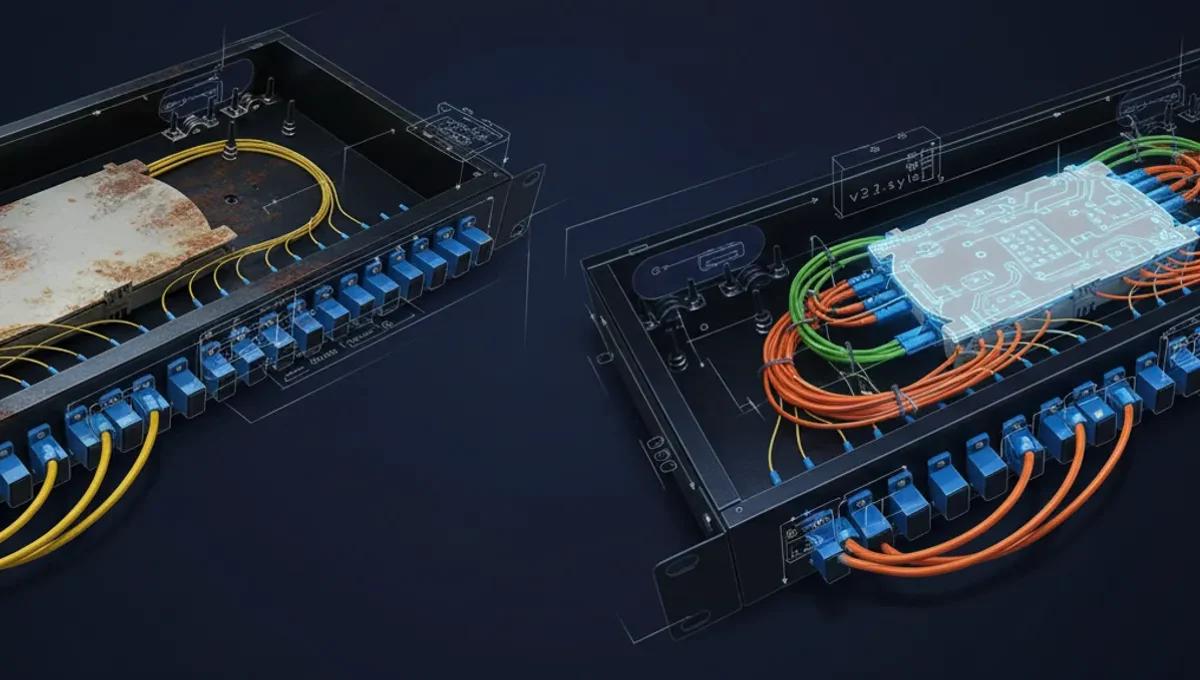
Tor v2 addresses were 16 characters long and used 80-bit encryption. They worked reliably for years but relied on cryptographic algorithms that security researchers flagged as potentially vulnerable to future attacks. Tor v3 addresses are 56 characters long and use 256-bit encryption, making them far more resistant to brute-force attacks and address collision exploits.
The longer v3 format also includes built-in protection against typosquatting and phishing. Because the address is harder to remember and type, attackers cannot easily create lookalike domains. A v3 address looks like this format: a 56-character string followed by .onion. The increased length is intentional, not a bug. This design choice reflects lessons learned from years of phishing attacks against v2 sites.
When Tor Migrated to V3 Links
The Tor Project announced the deprecation of v2 addresses in 2020 and began the transition to v3 as the standard. By 2021, major onion services had migrated or were in the process of doing so. The transition was gradual because many services, forums, and marketplaces needed time to update their infrastructure. Some older v2 addresses continued to function for a period, but the Tor Project eventually disabled support for them to push the ecosystem forward.
This migration was not optional. The Tor Project made a deliberate choice to sunset v2 to improve the security of the entire network. Services that did not migrate lost accessibility through the standard Tor Browser. This forced upgrade affected every active onion site, from news outlets to forums to marketplaces.
How V3 Addresses Improve Security
V3 links use modern elliptic-curve cryptography, specifically Ed25519, which is faster and more secure than the RSA algorithms used in v2. This means the address itself is harder to forge or predict. An attacker cannot generate a fake v3 address that looks similar to a real one without possessing the actual private key.
The longer address also includes a checksum, so typos in the URL are immediately obvious. If you mistype even one character, the address will not resolve. This is a practical defense against phishing, where attackers rely on users making small mistakes when typing or copying URLs. V3 addresses also support better onion service authentication, allowing site operators to verify that visitors are connecting to the real service and not an imposter.
Identifying Legitimate V3 Links
A real v3 onion address is always 56 characters long, followed by .onion. The characters are lowercase letters and numbers only, never uppercase or special symbols. If you see a v3 address that does not match this format, it is not legitimate.
To verify that a v3 link is authentic, check the following:
- Compare the address against the official announcement from the site operator
- Look for PGP-signed statements confirming the v3 address
- Check whether the site's official social media or news outlet has published the address
- Visit the site through the Tor Browser and confirm the address bar matches exactly
- Be suspicious of any v3 address shared through a third-party link aggregator without independent verification
Phishing clones of popular onion services often use completely different v3 addresses, not slight variations. This is because generating a v3 address that looks similar to the real one is computationally infeasible. However, attackers still create fake mirrors and advertise them through search results or forums, so always verify the address independently.
Why V2 Links Are No Longer Accessible
The Tor Project disabled support for v2 addresses to eliminate a security liability. Keeping v2 alive would have meant maintaining backward compatibility with weaker cryptography, which contradicts the goal of a more secure network. The decision was unpopular with some users and site operators who had invested years in their v2 addresses, but it was necessary.
If you encounter a v2 address today, it will not work in the standard Tor Browser. Some archived mirrors or historical records may still reference v2 links, but they are not functional. This is intentional. The Tor Project chose a hard cutoff rather than a gradual phase-out to force the entire ecosystem to upgrade. This approach, while disruptive, ensured that the network moved forward uniformly.
Reality Layer: What Actually Happens in Practice
According to Tor Project documentation, v3 addresses are designed to be resistant to cryptanalytic attacks for at least the next 15 to 20 years, assuming no major breakthroughs in quantum computing. This matters because it means v3 sites are not a temporary solution but a long-term standard. Security-vendor incident reports on onion service compromises show that most attacks today target operational security failures (weak passwords, malware on the user's machine, social engineering) rather than cryptographic weaknesses in the address itself. This means v3 does not make you immune to phishing or scams; it only protects the address from being forged. Court records and law-enforcement press releases confirm that v3 addresses have not prevented law enforcement from identifying and shutting down illegal marketplaces, so the longer address does not guarantee anonymity. Understanding this gap between cryptographic security and operational security is critical for anyone using onion services.
Best Practices for Using Tor V3 Links
When you find a v3 link you want to visit, follow these steps to minimize risk:
- Always use the latest version of Tor Browser
- Verify the address against multiple independent sources before clicking
- Check for HTTPS (a padlock icon) when the site loads
- Never assume a v3 address is safe just because it is newer
- Be cautious of any v3 site that asks for personal information or payment
- Keep your operating system and security software up to date
- Use a dedicated virtual machine or live operating system like Tails if you are visiting high-risk sites
V3 links are more secure than v2, but they are not a substitute for careful behavior. Phishing sites, scams, and malware exist on v3 addresses just as they did on v2. The upgrade protects the address from being forged, not the user from making bad decisions.
Moving Forward with V3 as the Standard
The shift to v3 is now complete across the active onion ecosystem. Any legitimate dark web site, forum, marketplace, or news outlet you encounter will use a v3 address. If you are looking for a specific service and only find v2 links, that service is either offline or the links are outdated. The top tor links and best tor links you will find today are all v3. This standardization makes the network more predictable and easier to secure. It also makes it harder for attackers to create convincing fakes, since they cannot generate addresses that look similar to real ones. The v3 migration represents a genuine improvement in the infrastructure of onion services, even if it required a disruptive transition. Going forward, v3 links will continue to be the standard, and any future upgrades will likely build on this foundation rather than replace it entirely.
Common Questions
What does v3 mean in tor links
V3 refers to the third generation of onion address format used by Tor. It replaced v2 addresses with longer, more secure cryptography. V3 addresses are 56 characters long and use 256-bit encryption instead of the 80-bit encryption used in v2. The upgrade happened because v2 had theoretical cryptographic weaknesses that could be exploited over time.
Can I still use v2 tor links
No. The Tor Project disabled support for v2 addresses, so they no longer work in the standard Tor Browser. This was an intentional decision to force the entire onion ecosystem to upgrade to the more secure v3 standard. Any v2 address you encounter today will not resolve, even if it was legitimate when it was active.
How do I know if a tor link is real v3
A real v3 onion address is exactly 56 characters long, followed by .onion, and contains only lowercase letters and numbers. Verify the address against official announcements from the site operator, check for PGP-signed statements, and compare it across multiple independent sources. Be suspicious of any v3 address shared only through third-party link aggregators.
Are v3 tor links safer than v2
V3 addresses are cryptographically stronger and harder to forge than v2, which protects against certain types of attacks. However, v3 does not make you immune to phishing, scams, or malware. The security improvement applies to the address itself, not to the content or behavior of the site. You still need to verify sites independently and practice good operational security.
When did tor switch to v3 links
The Tor Project announced the deprecation of v2 in 2020 and began the transition to v3 as the standard. By 2021, major onion services had migrated or were in the process of doing so. Support for v2 was eventually disabled entirely, forcing all remaining services to upgrade to v3.