What Dark Web Shop Links Actually Are
A dark web shop link is an onion address (a .onion URL) that routes through the Tor network to a hidden service running on a server whose location is obscured. Unlike regular websites, onion addresses are not registered with a domain registrar and cannot be looked up in a standard DNS database. Instead, they are generated cryptographically by the server operator and published only through trusted channels: PGP-signed announcements, official mirrors, or community moderators.
Darknet marketplaces and forums have used shop links as their primary access method for years. Each shop maintains multiple mirror addresses to handle traffic spikes and to survive when one address is seized or blocked. The addresses themselves are long, random strings of letters and numbers, making them hard to remember and easy to fake. This design feature, intended for security, has become a vector for phishing: attackers create lookalike addresses that differ by a single character, hoping users will mistype or copy the wrong link.
Why Shop Links Change and Disappear
Dark web shop links are not permanent. A marketplace may go offline for maintenance, migrate to a new server, or shut down entirely after a law-enforcement action. When a shop is seized, its onion address becomes inaccessible, but users may not know this immediately. Scammers exploit this uncertainty by posting "new mirrors" or "updated links" that are actually phishing sites designed to harvest login credentials and wallet information.
Marketplaces also rotate addresses deliberately to shake off surveillance and to prevent users from bookmarking a single link. A shop operator might publish a new address every few weeks through their official announcement channel. Users who rely on old links or cached directories will find themselves on fake sites. This constant churn is why centralized link directories become outdated within days and why Reddit threads about "best dark web links" are unreliable sources of current information.
How to Verify a Dark Web Shop Link Before Visiting
Verification requires multiple steps and should never rely on a single source. Follow this process:
- Check the official announcement channel of the shop, typically a PGP-signed post on the marketplace's own forum or a linked social media account
- Compare the onion address character by character with the address in your browser's address bar before entering any credentials
- Look for HTTPS and a valid certificate (Tor Browser will warn you if the certificate is missing or invalid)
- Check whether the site's PGP key fingerprint matches the one published on the shop's official mirror list
- Visit the shop's official status page or mirror directory, usually linked from their announcement channel
If you cannot find an official announcement channel or mirror list, treat the link as unverified. Many users assume that a link found in a forum post or shared by another user is legitimate, but this assumption has led to significant losses. The Tor Project documentation on onion service security emphasizes that users must verify addresses through cryptographic signatures, not through word-of-mouth or cached links.
The Phishing Clone Problem
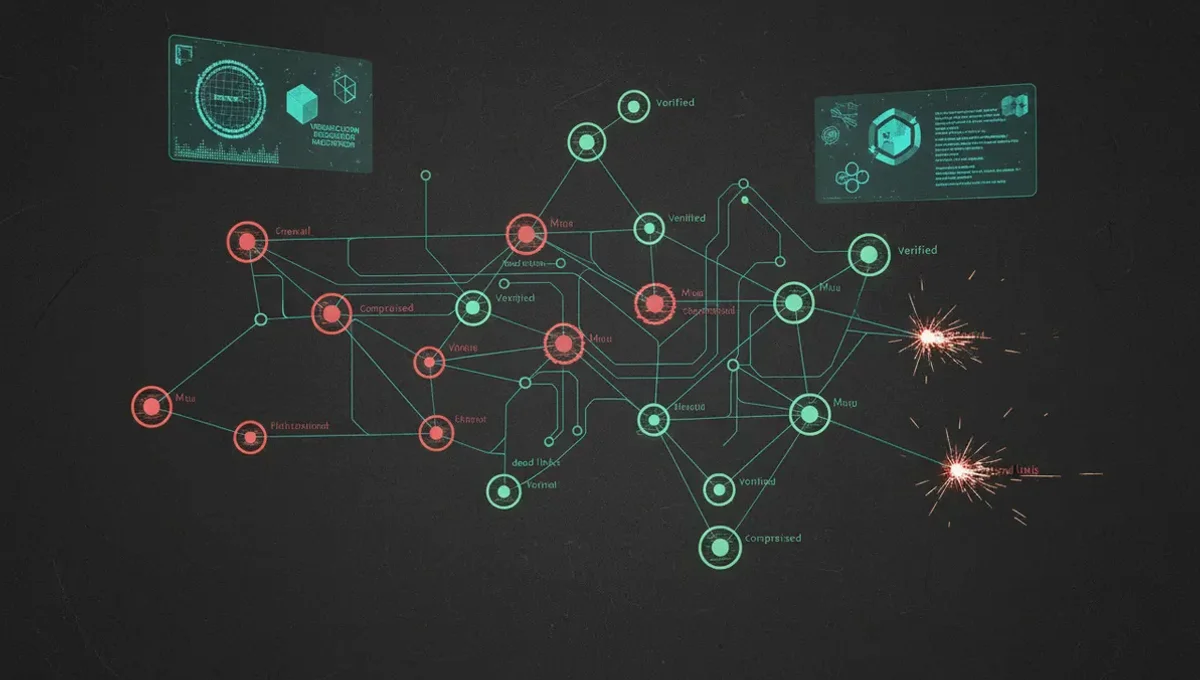
Phishing clones are fake onion addresses designed to look identical to legitimate shop sites. An attacker registers a new onion address and copies the entire visual design, logo, and layout of a real marketplace. The clone site then waits for users to mistype the real address or to click a malicious link in a forum post or email.
Once a user logs in on the clone, their credentials are captured. If the user then deposits cryptocurrency, the attacker can drain the account or use the credentials to access the real marketplace and steal funds from the victim's wallet. Some clones are so convincing that even experienced users have been fooled. The best defense is to bookmark the official mirror list (not individual shop links) and to always verify the address before logging in. Never trust a link shared in a comment, private message, or search result. If you have already logged into a shop link and are unsure whether it was real, change your password immediately on the verified address and check your account activity for unauthorized transactions.
Reality Check: How the Ecosystem Actually Works
Three key insights shape how dark web shop links function in practice:
Tor Project documentation on onion service security notes that onion addresses are not human-readable by design, which makes them resistant to censorship but also makes them vulnerable to user error and phishing. Users must verify addresses through out-of-band channels (such as PGP-signed announcements or official mirrors) rather than relying on memory or cached links. This matters because it means there is no single authoritative directory of current shop links; each marketplace publishes its own mirrors, and users must check multiple sources.
Law-enforcement press releases and court records show that seized marketplaces remain accessible through old addresses for weeks or months after shutdown, often redirecting users to phishing clones or fake mirrors. Operators of seized shops have sometimes posted fake "new mirror" links to harvest credentials from users who believe the shop is still operating. This matters because it means that an old link you find online might lead to a scam, not a dead site.
Security-vendor incident reports document that users who lose funds to phishing clones often did not verify the address before logging in or depositing funds. The loss is typically irreversible because cryptocurrency transactions cannot be reversed. This matters because it underscores that verification is not optional; it is the only reliable defense against clone sites.
Best Practices for Finding Legitimate Shop Links
If you need to find a current dark web shop link, use these practices:
- Start with the shop's official announcement channel, typically a pinned post on their own forum or a linked mirror directory
- Cross-reference multiple official sources before trusting an address
- Avoid Reddit threads, cached directories, and link aggregators; these are outdated and often contain phishing clones
- Use PGP to verify the signature on any announcement, if the shop publishes signed messages
- Check the shop's status page or uptime monitor if one is available
- Ask in the shop's official forum or support channel if you are unsure about an address
Many users search for "dark web best links reddit" or "dark web access links" hoping to find a curated list, but no such list can be kept current. The only reliable source is the shop itself. If a link is not published by the official shop operator or a trusted moderator, assume it is a phishing clone until proven otherwise.
What to Do If You Encounter a Phishing Clone
If you realize you have visited or logged into a phishing clone, act immediately:
- Do not enter any credentials or funds on the site
- Close the browser tab and clear your Tor Browser cache
- Navigate to the verified official address of the real shop
- Change your password using a strong, unique password you have never used before
- Check your account activity and wallet balance for unauthorized transactions
- If funds are missing, report the incident to the shop's support team with the fake address you visited
- Consider whether your email or personal information may have been compromised and monitor your accounts
If you have already deposited cryptocurrency on a clone site, the funds are likely lost. Cryptocurrency transactions are irreversible, and the attacker can move the funds to a new wallet immediately. Do not send additional funds to the clone in hopes of recovering the first deposit; this is a common scam tactic. Report the phishing address to the real shop's moderators so they can warn other users and potentially add it to a blocklist.
Moving Forward: Verification Over Convenience
The core lesson is that dark web shop links require verification before use, and no shortcut exists. The convenience of clicking a link from a forum post or search result is not worth the risk of losing funds or credentials to a phishing clone. Legitimate shops publish their official mirrors and announcement channels for a reason: to give users a way to verify addresses without relying on third-party directories or word-of-mouth.
Start today by bookmarking the official mirror list of any shop you use regularly, not individual links. When you need to access a shop, go to the mirror list first and choose an address from there. This single habit eliminates most phishing risk. If you do not have access to an official mirror list or announcement channel, the shop is either offline or you have not found the legitimate operator yet. In either case, waiting for official confirmation is safer than guessing.
Common Questions
Are dark web shop links safe to click
Not without verification. Most links you find online are either outdated, dead, or phishing clones designed to steal credentials. Always verify an address through the shop's official announcement channel or mirror list before clicking. Check the address character by character in your browser bar before logging in or depositing funds.
How do I know if a dark web link is real or fake
Compare the address with the official mirror list published by the shop operator, typically found in a PGP-signed announcement or on the shop's own forum. Check for HTTPS and a valid certificate in Tor Browser. If you cannot find an official source for the address, treat it as unverified. Never rely solely on links shared in Reddit posts or forum comments.
What happens if I log into a phishing clone
Your credentials are captured by the attacker. Change your password immediately on the verified official address. If you deposited cryptocurrency on the clone, the funds are likely lost and cannot be recovered. Report the fake address to the real shop's moderators so they can warn other users.
Why do dark web shop links keep changing
Marketplaces rotate addresses to evade surveillance and to survive when one address is seized or blocked. They also go offline for maintenance or shut down after law-enforcement actions. This is why centralized link directories become outdated within days and why you must check the shop's official channels for current mirrors.
Where should I find current dark web shop links
Only from the shop's official sources: PGP-signed announcements, the shop's own forum, or an official mirror directory. Avoid Reddit threads, cached link aggregators, and third-party directories. If you cannot find an official announcement channel, the shop is either offline or you have not found the legitimate operator.