What Counts as a Legitimate Deep Web Onion Site
A legitimate onion site is a hidden service hosted on the Tor network, accessible only through the Tor Browser. Unlike the surface web, onion sites do not have DNS records or traditional domain registrars. Their addresses are cryptographic hashes, typically 56 characters long in the current v3 format, and they cannot be spoofed or redirected by ISPs or network administrators.
The Tor Project documentation explains that onion addresses are derived from the site's public key, making them extremely difficult to forge. This means if you access the same .onion address twice, you are reaching the same server, not a phishing clone. However, this security only works if you verify the address through an official, PGP-signed announcement or a trusted source. Many users bookmark addresses or copy them from forum posts without verification, which is how phishing attacks succeed.
Categories of Deep Web Sites and Their Current Status
Deep web sites fall into several broad categories, each with different survival rates and trust profiles.
- Information and documentation sites: Wikis, archives, and news aggregators tend to remain stable because they have no financial incentive to exit scam or attract law enforcement. Examples include privacy guides and historical records.
- Forums and communities: Discussion boards for security research, privacy topics, and technical troubleshooting often operate for years. They generate no revenue and attract users interested in learning, not buying.
- Marketplace sites: These are the most volatile. Best deep web sites 2022 included several markets that have since been seized, voluntarily closed, or exit-scammed. The average lifespan of a major marketplace is 2-4 years before law enforcement action or operator abandonment.
- Deep web video sites and media archives: These vary widely in legality and stability. Some host legitimate content; others host material that attracts law enforcement attention.
The status of any onion site changes unpredictably. A site that worked yesterday may be offline today due to server failure, operator arrest, or voluntary shutdown.
How to Verify You Are on a Real Onion Site, Not a Clone
Phishing clones are the most common threat when searching for best deep web sites. An attacker registers a similar .onion address or compromises a mirror and users lose funds or credentials without realizing they were on a fake site.
Verification steps:
- Check the official announcement channel for the site (usually a PGP-signed post on a trusted forum or the site's own security page).
- Compare the .onion address character-by-character with the official version. Do not rely on visual similarity.
- Verify the PGP signature of any announcement using the site operator's public key, which should be published on multiple independent sources.
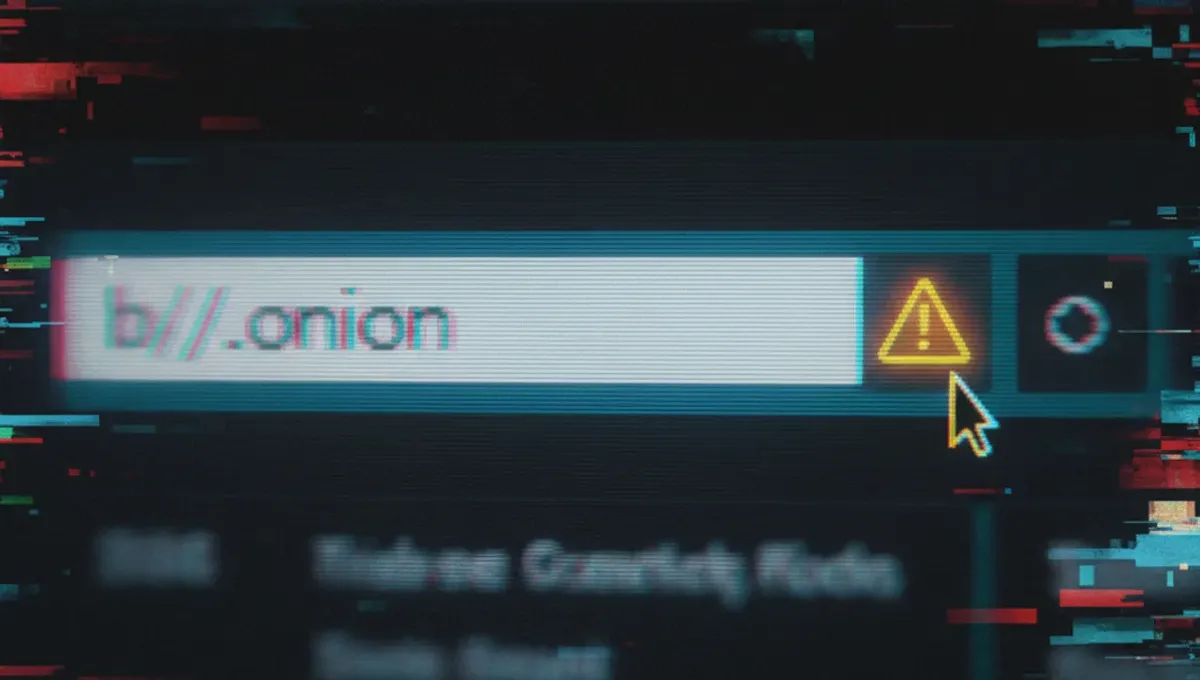
- Check whether the Tor Browser address bar shows a security warning or certificate issue.
- Look for HTTPS and a valid onion certificate (v3 onion sites support this).
Many users skip these steps because they assume the Tor network itself prevents phishing. It does not. Tor protects your location and traffic from ISPs, but it does not prevent someone from running a fake site on a different .onion address.
Why Top Deep Web Sites Disappear or Change Operators
Understanding why deep web sites fail helps you avoid wasting time on dead links. The main reasons are law enforcement action, operator burnout, exit scams, and technical failure.
Law enforcement agencies worldwide have successfully identified and arrested operators of major marketplaces by analyzing transaction patterns, server logs, and operational security mistakes. Court records and public press releases document these cases. When a site is seized, users often see a notice from law enforcement or the site simply stops responding.
Operators sometimes voluntarily shut down after years of operation, either because they want to exit while ahead or because the operational burden becomes unsustainable. Exit scams occur when an operator disappears with user funds held in escrow. This is not rare; it has happened to multiple major markets.
Technical failures, including DDoS attacks, server compromises, and hosting provider shutdowns, also take sites offline. Unlike surface-web hosting, onion site hosting is decentralized and often runs on volunteer infrastructure or the operator's own hardware, making it fragile.
Reality Check: What Actually Happens on Deep Web Sites
According to Tor Project documentation and security-vendor incident reports, the majority of onion sites that claim to offer illegal goods or services are either scams, honeypots, or law-enforcement operations. Users who attempt to buy anything on an unknown marketplace face several risks: losing money to a scam operator, having their transaction logged by law enforcement, or downloading malware.
Court records from past marketplace prosecutions show that law enforcement often runs the site for months or years, collecting evidence before making arrests. This means a site that appears to be operating normally may actually be controlled by investigators.
Deep web adult sites and deep web video sites carry additional risks. Many host non-consensual or illegal content, which attracts law enforcement attention. Users who access such material may face legal consequences depending on their jurisdiction, even if they did not upload or distribute it.
The practical reality is that the only deep web sites worth using are those focused on privacy education, security research, or community discussion. Anything involving financial transactions or illegal content carries substantial risk of loss or legal exposure.
Safer Alternatives to Searching for Onion Sites
Instead of hunting for best deep web sites through Reddit posts or forum threads, use official resources that are maintained and verified.
The Tor Project's official website publishes links to legitimate onion services, including archives, privacy tools, and educational resources. These links are PGP-signed and updated regularly.
The Useful Resources page on this site (sectorwiki.com) curates verified onion addresses with current status information. Rather than relying on a single directory, cross-reference multiple sources. If three independent sources list the same .onion address with the same purpose, the likelihood of it being legitimate is higher.
For privacy-focused communication, use onion sites operated by well-known organizations: news outlets with onion mirrors, privacy foundations, and security research groups. These organizations have reputational incentives to maintain legitimate services and avoid scams.
Avoid searching for onion sites on clearnet search engines or Reddit communities. These sources are frequently compromised or filled with outdated links. Instead, access onion directories directly through Tor Browser by typing the official .onion address.
Your Next Step: Verify Before You Trust
The core takeaway is simple: do not assume any onion site is real just because it appears in a search result or forum post. The deep web sites that matter are those with transparent operators, PGP-signed announcements, and a track record of stability. Most of what you will find listed as top deep web sites 2022 or current year is either offline, compromised, or designed to steal from you.
Start by visiting the Useful Resources page on this site to see which onion addresses are currently documented and verified. When you find an address you want to use, take five minutes to verify it through an official channel. This single habit will protect you from phishing, scams, and accidental access to law-enforcement honeypots. The difference between a safe onion experience and a dangerous one often comes down to whether you verified the address before clicking.
Common Questions
How do I know if an onion site is real or a phishing clone
Verify the .onion address against an official PGP-signed announcement from the site operator. Check the address character-by-character, not by visual similarity. Use the Tor Project's official resources or this site's Useful Resources page to cross-reference addresses. If you cannot find a PGP-signed announcement, assume the site is not legitimate.
Why do deep web sites keep disappearing
Onion sites disappear due to law enforcement seizures, operator exit scams, voluntary shutdowns, or technical failures. Unlike surface-web hosting, onion infrastructure is often fragile and decentralized. Court records show that many sites are actually run by law enforcement for months before arrests occur. Always assume an onion site may go offline without warning.
What are the safest deep web sites to use
The safest onion sites are those focused on privacy education, security research, and community discussion rather than financial transactions or illegal content. Official onion mirrors from news organizations and privacy foundations are generally trustworthy. Avoid any site that promises illegal goods or services, as these are frequently scams or honeypots.
Can I get in legal trouble just for accessing a deep web site
Accessing Tor and onion sites is legal in most countries. However, accessing specific content, such as illegal marketplaces or non-consensual material, may violate local laws. Law enforcement can and does monitor onion sites. Your location is protected by Tor, but your activity on a site may be logged if that site is run by law enforcement.
How do I find current onion site addresses if most directories are outdated
Use official sources: the Tor Project's website, PGP-signed announcements from site operators, and this site's Useful Resources page. Cross-reference multiple sources before trusting an address. Avoid Reddit posts and forum threads as primary sources, as they are frequently outdated or compromised. When in doubt, verify through an official channel before accessing.