What ASAP Market Was and Its Current Status
ASAP was a darknet marketplace accessible only through the Tor browser, operating as a platform where users could browse listings, communicate with vendors, and conduct transactions using cryptocurrency. The market functioned similarly to other darknet markets: vendors posted products, buyers left reviews, and the platform took a commission on sales. Like many darknet markets, ASAP's operational status has changed over time; markets are frequently seized by law enforcement, exit scammed by administrators, or voluntarily closed. The last documented state of ASAP should be verified through current security resources and Tor community forums rather than assumed from any single address you find online. Any .onion address claiming to be ASAP today requires careful verification before use, as phishing clones are common and designed to look identical to the original.
How Darknet Markets Operate and Why They Close
Darknet markets function as decentralized or semi-centralized platforms where anonymity is the primary selling point for both buyers and vendors. Transactions typically use cryptocurrency like Bitcoin or Monero to obscure payment trails, and the Tor network masks user IP addresses. However, markets face constant pressure from law enforcement agencies worldwide. The Federal Bureau of Investigation, Europol, and other agencies conduct long-term investigations into market administrators and major vendors, often using blockchain analysis, undercover operations, and cooperation with hosting providers. When a market is seized, law enforcement typically takes control of the server and may display a notice on the .onion address. When markets exit scam, administrators disappear with user funds held in escrow. Understanding this cycle helps explain why any marketplace address you encounter should be treated with skepticism unless verified through multiple independent sources.
Phishing Clones and How They Exploit Market Names
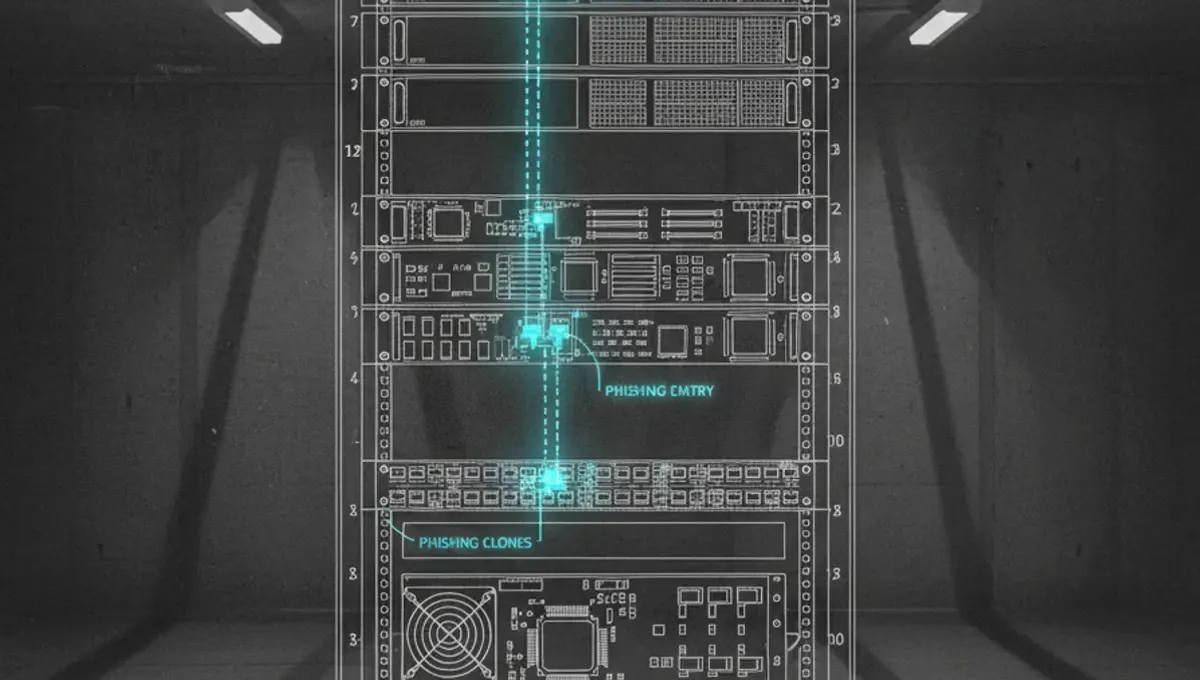
Phishing clones are fake versions of legitimate darknet markets created to deceive users into entering credentials, private keys, or cryptocurrency. They typically copy the visual design, layout, and branding of the original market so closely that casual users cannot distinguish them. Attackers register similar .onion addresses that differ by only one or two characters from the real address, relying on typos or users bookmarking the wrong link. When a user logs in to a clone, their username and password are captured and sold or used to compromise their account on the real market. Some clones also inject malware or redirect users to phishing pages designed to steal cryptocurrency directly. The ASAP market name has been used in phishing schemes; attackers have created fake mirrors with addresses designed to look similar to the original, exploiting the market's reputation to trick users.
How to Verify an Onion Address Before Using It
Verifying an onion address requires multiple steps and cannot rely on appearance alone. Follow this approach:
- Check the Tor Project's official resources and security advisories for any public warnings about the market or address.
- Visit the site's official announcement channel or forum (if publicly documented) to find the current verified address.
- Look for PGP-signed announcements from market administrators; legitimate markets publish their public keys and sign important notices.
- Cross-reference the address across multiple independent security blogs, darknet news sites, and community forums to see if consensus exists.
- Check whether the address uses a v3 onion address format (56 characters) rather than the older v2 format (16 characters); v3 addresses are more secure.
- If you have used the market before, compare the address to your browser history or bookmarks; do not rely on search results or links from unknown sources.
- Be aware that even if an address appears online, it may be a clone or a honeypot set up by law enforcement.
No single step guarantees safety; verification is a process of reducing risk, not eliminating it.
Why Users Lose Money on Phishing and Clones
Users lose cryptocurrency and personal information on phishing clones for several reasons. First, the visual similarity to the real market creates false confidence; a user may not notice the address is slightly different if they do not check carefully. Second, once credentials are entered on a clone, attackers gain access to the user's account on the real market if they reuse the same password. Third, users may deposit cryptocurrency into a clone's wallet address, which is controlled by the attacker and cannot be recovered. Fourth, malware injected by clones can compromise the user's entire device, not just their market account. Users who have lost funds to phishing typically have no recourse; cryptocurrency transactions are irreversible, and darknet markets do not offer buyer protection in the way legitimate e-commerce sites do. Law enforcement rarely prioritizes individual cryptocurrency theft cases on darknet markets.
Reality Check: What Security Researchers Know About Darknet Markets
Security vendors and academic researchers have documented patterns in how darknet markets operate and fail. According to incident reports from cybersecurity firms, phishing clones account for a significant portion of user losses on darknet markets, often exceeding losses from market exit scams. Tor Project documentation emphasizes that onion addresses can be spoofed visually and that users must verify addresses through cryptographic signatures or official channels, not appearance. Law enforcement press releases from the U.S. Department of Justice and Europol show that market seizures typically result in the .onion address being taken offline or displaying a law-enforcement banner; the address does not simply move to a new server. Academic research on onion services highlights that markets are frequently compromised by law enforcement before users realize the site has been seized, meaning users may believe they are using a legitimate market when they are actually interacting with a government-controlled honeypot. These realities matter because they show that any darknet market address carries inherent risks that cannot be fully mitigated by verification alone.
Safer Alternatives to Using Unverified Darknet Markets
If you are considering using a darknet market, understand that the safest approach is not to use one at all. However, if you have a legitimate reason to access darknet resources (such as research, journalism, or accessing censored information), prioritize verified platforms with long operational histories and transparent security practices. Use the Tor browser's built-in security features and keep it updated. Enable JavaScript protections and use the highest security level available. Never maximize your browser window, as this can reveal your screen resolution and aid in fingerprinting. Use a dedicated device or virtual machine for darknet access if possible. Never mix Tor and non-Tor traffic on the same session. If you must verify an onion address, consult the Useful Resources page on this site, which links to current security advisories and verified address repositories maintained by the Tor community. Remember that even with these precautions, darknet markets remain high-risk environments where scams, law enforcement operations, and malware are common.
Common Questions
Is the ASAP onion address still active
The operational status of ASAP changes and should be verified through current security resources rather than assumed. Markets are frequently seized, exit scammed, or voluntarily closed. If you find an address claiming to be ASAP, verify it through multiple independent sources before using it. Check the Tor Project advisories and darknet news sites for the latest information.
How do I know if an onion address is a phishing clone
Phishing clones often use addresses that differ by only one or two characters from the real address. Compare the full address character by character against verified sources. Check for PGP-signed announcements from the market administrators. Be suspicious of addresses found through search results or unknown links; always verify through official channels or security resources.
What happens if I enter my password on a fake darknet market
If you enter credentials on a phishing clone, attackers capture your username and password. They can then use these credentials to access your account on the real market if you reused the password. They may steal cryptocurrency from your account balance or intercept transactions. Change your password immediately on any legitimate accounts if you suspect compromise.
Can law enforcement see my activity on darknet markets
Law enforcement can and does monitor darknet markets through various methods including undercover operations, blockchain analysis, and market seizures. The Tor browser provides anonymity from your internet service provider, but it does not guarantee protection from law enforcement investigation. Markets themselves are frequently compromised or seized by authorities.
What should I do if I lost cryptocurrency to a darknet scam
Cryptocurrency transactions are irreversible, and darknet markets do not offer buyer protection. Report the incident to your local law enforcement agency and the FBI's Internet Crime Complaint Center if you are in the United States. Document all details including addresses, transaction hashes, and dates. Understand that recovery is unlikely, but reporting helps authorities track patterns and investigate larger operations.