What ASAP Was and How It Operated
ASAP was a darknet marketplace accessible via Tor onion links, designed to mimic the structure of earlier markets like Alphabay. It operated as a centralized platform where vendors could list goods and services, with the marketplace operator taking a commission on each transaction. Users created accounts, deposited cryptocurrency, and conducted trades with some level of escrow protection provided by the platform.
The marketplace used a reputation system to build trust between buyers and sellers, similar to conventional e-commerce platforms but without legal accountability. Vendors could establish track records, and buyers could leave feedback. However, this system was frequently exploited through fake reviews and exit scams, where vendors would disappear with customer funds. The anonymity provided by Tor created a false sense of security that masked the real legal and financial risks users faced.
ASAP's Closure and Legal Context
ASAP, like Alphabay and other major darknet markets, eventually went offline. The circumstances surrounding its closure reflect broader patterns in darknet enforcement. Law enforcement agencies across multiple jurisdictions have successfully identified and prosecuted marketplace operators and major vendors, using blockchain analysis, server seizures, and traditional investigative techniques.
According to public law-enforcement press releases and court records, darknet marketplace operators face charges including money laundering, drug trafficking conspiracy, and wire fraud. The technical anonymity of Tor does not prevent law enforcement from tracing transactions over time or identifying operators through operational security failures. When a marketplace suddenly disappears, users are left without recourse to recover funds or dispute transactions, a risk inherent to unregulated platforms.
Why Users Trusted ASAP and Similar Markets
Darknet marketplaces like ASAP attracted users through a combination of perceived anonymity, escrow systems, and vendor reputation scores. New users often migrated from closed markets like Alphabay, seeking continuity and familiar interfaces. The marketplace operator's ability to remain anonymous created an illusion of legitimacy, as did the use of cryptocurrency and multi-signature wallets.
However, this trust was frequently misplaced. Exit scams were common, where marketplace operators would shut down operations and retain all customer deposits. Vendors also disappeared regularly with customer funds. The lack of legal recourse meant that victims had no way to recover losses. Security-vendor incident reports on darknet marketplaces consistently document that users who believed they were protected by escrow systems or vendor ratings lost significant sums to fraud.
Phishing Clones and Fake ASAP Links
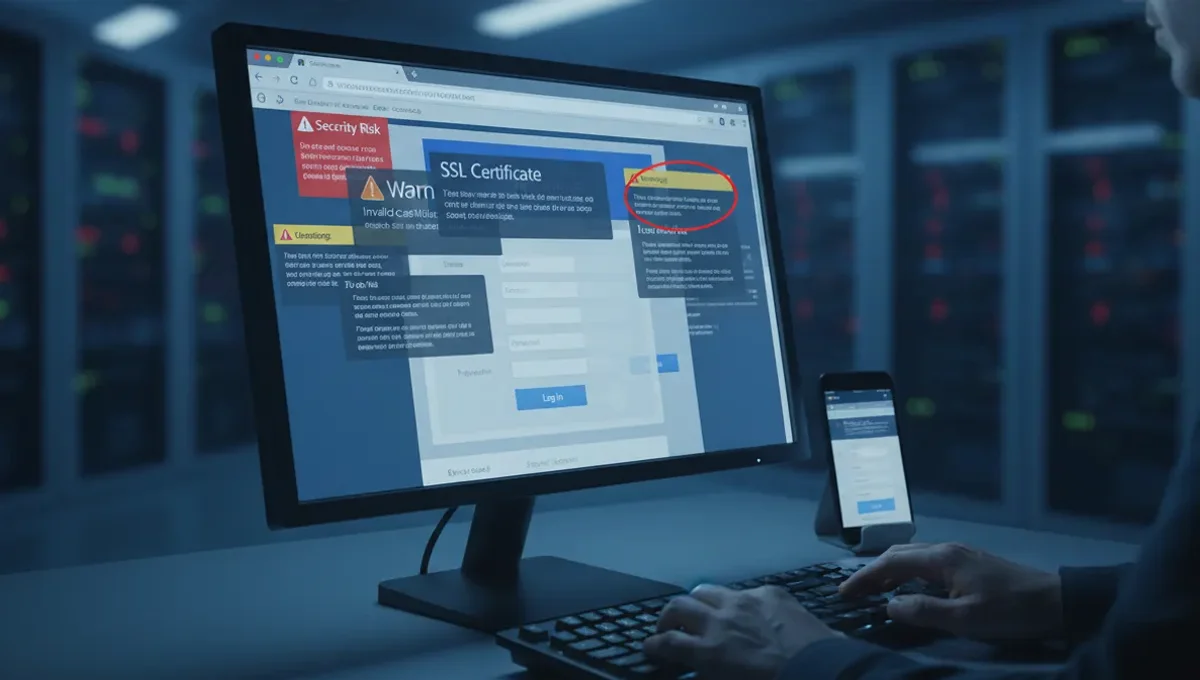
After ASAP's closure, phishing clones and fake onion links claiming to be ASAP mirrors emerged across the darknet. These fraudulent sites mimicked the original marketplace interface to trick users into depositing cryptocurrency or entering credentials. Scammers registered similar onion addresses and spread them through forums and social media, exploiting users' familiarity with the original marketplace name.
Phishing clones are particularly effective because they target users who already trust the brand and are searching for a way to access the market again. A fake ASAP link might look identical to the original but route funds to the attacker's wallet. Users who attempt to verify addresses by searching Reddit or other forums often encounter more phishing links, creating a cycle of fraud. The only reliable way to verify an onion address is through PGP-signed announcements from the official project or marketplace operator, which are rarely available for closed markets.
Comparison with Other Closed Darknet Markets
ASAP shared operational characteristics with other major darknet markets that have since closed or been seized:
- Alphabay: Operated as a centralized marketplace with vendor reputation systems; shut down in 2017 following law enforcement action.
- Benumb: Functioned as a smaller alternative market; eventually closed due to security vulnerabilities and operator abandonment.
- Briansclub: Operated primarily as a carding forum and marketplace; faced ongoing law enforcement pressure and vendor exit scams.
- Fresh onion link markets: Newer markets that emerge after closures, often using similar escrow and reputation mechanics but with less established security practices.
Each market's closure followed a similar pattern: initial growth, vendor and user migration from older markets, operational security failures, and eventual law enforcement action or operator exit scam. The cycle repeats as new markets launch to fill the demand.
Why ASAP and Similar Markets Matter for Security Awareness
Understanding how ASAP operated and failed provides three key insights into darknet security risks. First, Tor Project documentation confirms that the Tor network itself provides anonymity for communications, but it does not prevent law enforcement from identifying marketplace operators through operational security failures, blockchain analysis, and traditional investigation. Second, the escrow systems and reputation scores used by darknet markets create a false sense of security that does not protect users from exit scams, vendor fraud, or law enforcement seizure of funds. Third, the rapid emergence of phishing clones and fake mirrors after a market closes shows that users searching for closed markets are particularly vulnerable to fraud.
For ordinary users, the key takeaway is that darknet marketplaces are fundamentally unregulated and offer no legal protection. Funds deposited on these platforms can disappear through operator exit scams, vendor fraud, or law enforcement seizure. The anonymity of Tor does not extend to the marketplace operator or major vendors, who remain vulnerable to prosecution.
Verifying Onion Addresses and Avoiding Phishing
If you encounter an onion link claiming to be ASAP or any other darknet marketplace, follow these steps to verify its legitimacy:
- Search for PGP-signed announcements from the official marketplace operator on established forums or the project's official website.
- Cross-reference the onion address across multiple independent sources, not just Reddit or social media.
- Check the Tor Project's official resources and security advisories for warnings about phishing clones.
- Never deposit funds on a marketplace unless you can verify the address through a PGP-signed message from the operator.
- If the marketplace has been closed for months or years, assume that any active link claiming to be that marketplace is a phishing clone.
The safest approach is to avoid darknet marketplaces entirely. If you are researching these platforms for security awareness or academic purposes, use archived information and official law-enforcement documentation rather than accessing active or suspected phishing sites.
Common Questions
Is ASAP onion link still active
ASAP is no longer operational as a marketplace. Any active link claiming to be ASAP is likely a phishing clone designed to steal funds or credentials. The original marketplace has been offline for an extended period, and law enforcement has taken action against similar platforms. Always verify onion addresses through PGP-signed announcements before depositing any funds.
How did ASAP marketplace work
ASAP operated as a centralized darknet marketplace on Tor where vendors listed goods and services. Users created accounts, deposited cryptocurrency into escrow, and conducted transactions. The platform took a commission on each sale. However, like other darknet markets, it was vulnerable to exit scams, vendor fraud, and law enforcement action.
What happened to ASAP darknet market
ASAP eventually went offline, following a pattern common to darknet marketplaces. The exact circumstances vary, but darknet markets typically close due to law enforcement action, operator exit scams, or security breaches. Users who had funds deposited on the platform lost access to those funds with no legal recourse.
How do I know if an ASAP link is real
The only reliable way to verify an onion address is through a PGP-signed announcement from the official marketplace operator. If ASAP is no longer active, any link claiming to be ASAP is almost certainly a phishing clone. Check the Tor Project's security resources and avoid depositing funds on any unverified marketplace.
What is the difference between ASAP and Alphabay
Both ASAP and Alphabay were centralized darknet marketplaces that operated on Tor with similar escrow and reputation systems. Alphabay was larger and operated longer before its closure. Both faced law enforcement action and vendor exit scams. The key difference is their operational timeline and scale, but both exposed users to the same fundamental risks of unregulated platforms.