What Was Brian's Club and How It Operated
Brian's Club was a darknet marketplace that specialized in the sale of stolen credit card data, dumps, and related payment card information. It operated as a membership-based forum where vendors could list stolen financial records, and buyers could purchase them using cryptocurrency. The marketplace functioned similarly to other darknet markets like Alphabay and ASAP, which also dealt in stolen data and illicit goods, though Brian's Club focused primarily on carding materials.
The marketplace used the standard darknet infrastructure: it was accessible only through the Tor browser, required users to create accounts with usernames and passwords, and conducted transactions in Bitcoin or other cryptocurrencies. Vendors maintained reputation scores based on buyer feedback, creating a trust system that incentivized repeat business. The site included forums where users discussed techniques, shared tips on avoiding detection, and negotiated deals outside the main marketplace listings.
The Closure and Current Status of Brian's Club
Brian's Club is no longer operational. The marketplace was seized and shut down by law enforcement, though the exact timeline and jurisdiction vary depending on the source. Like many darknet markets, it faced pressure from both law enforcement agencies and competing marketplaces. The closure followed a pattern seen with other major darknet markets: Alphabay onion link marketplaces were shut down through coordinated international operations, ASAP onion link sites faced similar pressures, and Benumb onion link services were disrupted.
When a major darknet marketplace closes, scammers and opportunists quickly create fake mirrors and phishing clones that impersonate the original site. These clones use similar names, layouts, and branding to trick users into logging in or depositing cryptocurrency. Anyone searching for a Brian's Club tor link today is likely to encounter these fraudulent sites. The original marketplace's closure means there is no legitimate onion address to find; any site claiming to be Brian's Club is either a phishing trap or an unrelated scam.
How Phishing Clones and Fake Mirrors Exploit the Name
When a well-known darknet marketplace closes, its reputation becomes an asset for scammers. Phishing clones of Brian's Club typically replicate the original site's appearance, including the logo, color scheme, and layout. They may even copy old forum posts or vendor listings to appear legitimate. Users who find these fake sites through search engines or links shared on forums may not realize they are entering credentials into a honeypot.
The attack works in stages. First, the user lands on the fake site and logs in with their username and password. The clone captures these credentials. Second, if the user attempts to deposit cryptocurrency, the scammer's wallet receives the funds instead of a legitimate marketplace account. Third, the attacker may use the stolen credentials to access the user's accounts on other platforms if they reused the same password. This is why verifying onion addresses through official channels is critical before entering any sensitive information.
Reality Check: How Darknet Marketplaces Actually Close and Why Clones Persist
According to Tor Project documentation and public law enforcement press releases, darknet marketplaces close through three main mechanisms: law enforcement seizure (the site's infrastructure is taken offline and the operators are arrested), exit scams (the administrators disappear with user funds), or voluntary shutdown by operators who decide to leave the business. Brian's Club followed the law enforcement closure pattern, which means the original infrastructure no longer exists, but the marketplace's name and reputation remain valuable to scammers.
Why this matters to you: when a marketplace is seized, law enforcement typically publishes details about the operation, but scammers use the publicity to create urgency and confusion. Users searching for the marketplace may find multiple fake sites and struggle to determine which, if any, is real. The answer is usually none of them. Additionally, court records and security vendor incident reports show that users who interact with phishing clones often suffer identity theft or cryptocurrency theft, compounding the original data breach they may have experienced. The lesson is that if a major marketplace has been publicly shut down, searching for its onion link is a high-risk activity with minimal legitimate purpose.
Verifying Onion Addresses and Avoiding Phishing Traps
If you need to verify whether an onion address is legitimate, follow these steps:
- Check the official announcement channels of the marketplace or project, which are usually PGP-signed by the operators or administrators.
- Look for the announcement on the Tor Project's official resources or on archived security research sites that document darknet markets.
- Compare the onion address character-by-character with the official source; even a single character difference indicates a phishing clone.
- Never click links from forum posts, Reddit threads, or search results; type the address manually into your Tor browser address bar if you have verified it through an official source.
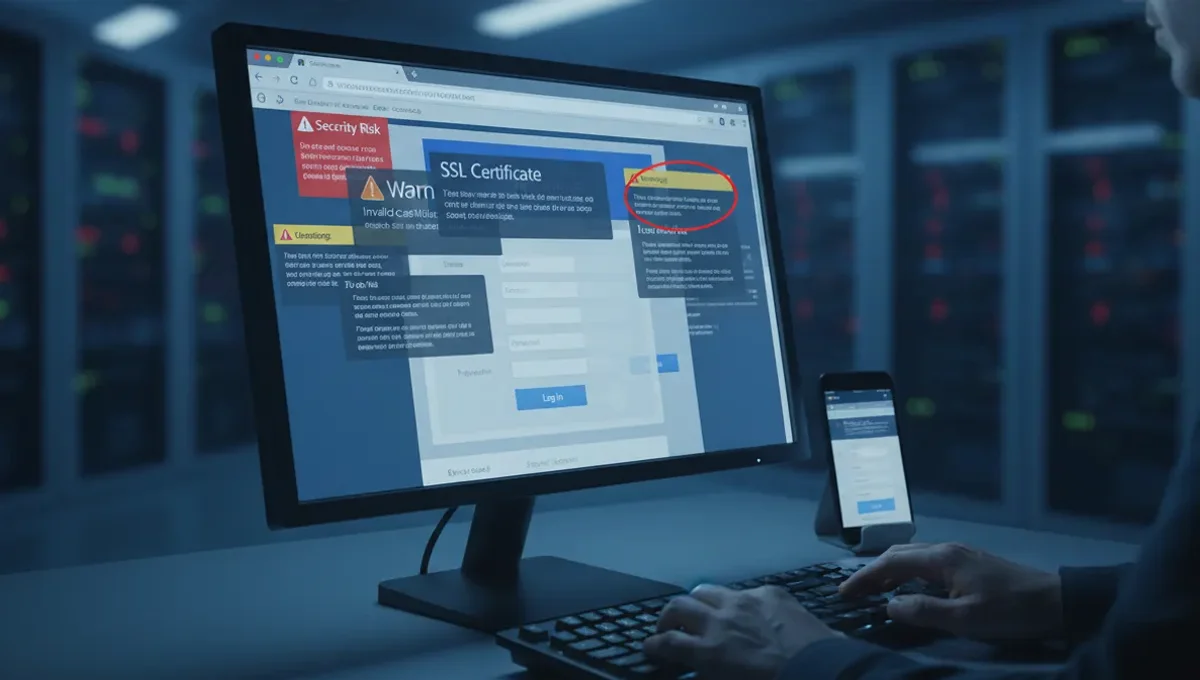
- Check whether the site's SSL certificate or security indicators match what you would expect from a legitimate marketplace.
For Brian's Club specifically, there is no legitimate onion address to verify because the marketplace is closed. Any search result or link claiming to offer access to Brian's Club is a phishing attempt or an unrelated scam.
The Broader Pattern: Alphabay, ASAP, Benumb, and Other Closed Markets
Brian's Club is one of many darknet onion link marketplaces that have been shut down over the past decade. Alphabay onion link was one of the largest and most well-known, operating for years before its seizure in 2017. ASAP onion link was another significant marketplace that faced law enforcement action. Benumb onion link was a smaller but active market that also closed. Each closure followed a similar pattern: the marketplace operated for a period, accumulated users and vendors, faced law enforcement investigation, and eventually went offline.
The common thread across these closures is that scammers immediately begin creating fake mirrors and phishing clones. Users who were active on the original marketplace may receive emails or messages directing them to a fake recovery site. New users searching for these marketplaces may find clones in search results. Understanding this pattern helps you recognize that searching for a closed marketplace's onion link is unlikely to lead anywhere legitimate and is more likely to expose you to phishing or malware.
Why People Search for Closed Marketplace Links and What to Do Instead
People search for Brian's Club onion link for several reasons: they may have had an account and want to recover funds, they may be researching darknet markets out of curiosity, or they may have been directed to a phishing clone by someone they trust. If you fall into the first category and had funds on the marketplace when it closed, law enforcement agencies sometimes announce compensation programs or asset recovery processes. Check official government websites or contact law enforcement in your jurisdiction for information.
If you are researching darknet markets for security awareness or academic purposes, use archived resources, court documents, and published security research instead of searching for active onion links. If you suspect you have been phished or that your credentials have been compromised, change your passwords immediately on all platforms where you reused them, enable two-factor authentication, and monitor your financial accounts for unauthorized activity. The safest approach is to treat closed marketplace links as a security risk rather than a resource to access.
Common Questions
Is Brian's Club onion link still active
No. Brian's Club is no longer operational and was shut down by law enforcement. Any onion link claiming to be Brian's Club is a phishing clone or scam. Do not enter credentials or send cryptocurrency to any site claiming to be Brian's Club, as you will lose your funds or have your identity compromised.
How do I know if an onion link is real or a phishing clone
Verify the address through official PGP-signed announcements from the marketplace or project, never through search results or forum links. Compare the onion address character-by-character with the official source. Type the address manually into your Tor browser rather than clicking a link. For closed marketplaces like Brian's Club, there is no legitimate address to verify.
What happened to my funds if I had money on Brian's Club when it closed
When a marketplace is seized by law enforcement, user funds are typically frozen as part of the investigation and may eventually be forfeited or returned through legal proceedings. Contact law enforcement in your jurisdiction or check government websites for information about asset recovery programs. Do not attempt to access the marketplace through phishing clones, as this will not recover your funds.
Are other darknet markets like Alphabay and ASAP still online
Alphabay and ASAP were also shut down by law enforcement. Like Brian's Club, any onion links claiming to be these marketplaces are phishing clones. Darknet markets are frequently targeted by law enforcement and often close or exit scam. The status of any specific marketplace changes, so verify current information through security research sites and official announcements rather than searching for active links.
What should I do if I clicked a phishing clone of Brian's Club
Change your password immediately on all platforms where you used the same credentials. Enable two-factor authentication on your email and financial accounts. Monitor your bank and cryptocurrency wallets for unauthorized activity. If you sent cryptocurrency, contact your exchange or wallet provider to report the scam. Do not send additional funds or personal information to any site claiming to be the marketplace.