What Infinity Shop Was and How It Operated
Infinity Shop functioned as a marketplace where vendors listed stolen payment card data, compromised email credentials, and other digital contraband. The site used the standard darknet marketplace model: vendors created accounts, posted listings with descriptions and prices, and buyers placed orders through an escrow system. The marketplace took a commission on each transaction, typically a percentage of the sale price.
Like other darknet markets such as Alphabay and ASAP, Infinity Shop relied on reputation systems to build trust between anonymous buyers and sellers. Vendors accumulated feedback scores based on transaction history, and the marketplace displayed these ratings publicly. This created an incentive for vendors to fulfill orders reliably, though disputes and scams still occurred regularly. The site operated on a hidden service, accessible only through the Tor browser, which meant law enforcement could not easily identify users by their IP address alone.
The Marketplace's Closure and Current Status
Infinity Shop went offline at an unknown date, and the exact reason for its closure remains unclear from public sources. Darknet markets typically disappear for one of three reasons: law enforcement seizure, an exit scam by the administrators, or voluntary shutdown by the operators. Without an official statement from the site's administrators or a law enforcement press release, the specific cause cannot be confirmed with certainty.
What is documented is that many darknet markets have faced coordinated takedowns by international law enforcement. The Tor Project and security researchers have noted that even markets with strong operational security can be compromised through investigative techniques including transaction analysis, vendor identification, and server seizure. The status of Infinity Shop should be verified through current darknet monitoring resources rather than assumed based on historical information.
How Phishing Clones Exploit Marketplace Names
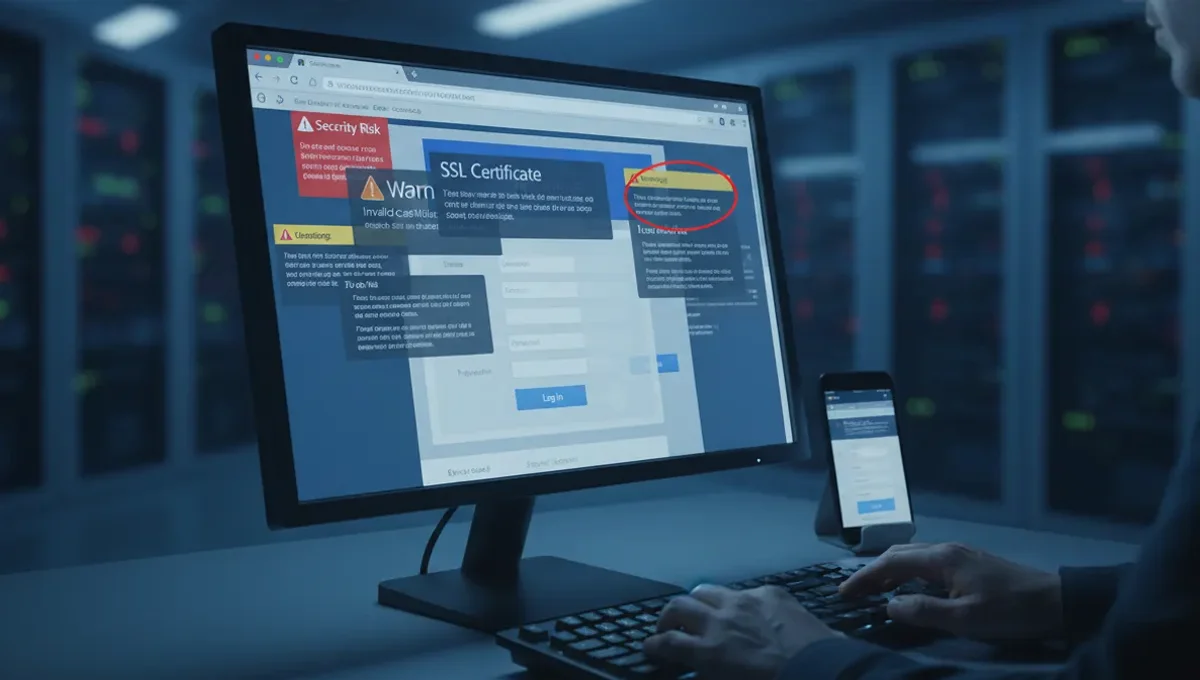
When a popular marketplace goes offline, scammers create fake versions using similar names and layouts to deceive users into depositing cryptocurrency or entering credentials. These phishing clones typically appear within days or weeks of the original market's closure, targeting users who are searching for the old site or who have not yet heard that it is gone.
Phishing clones work by mimicking the original marketplace's design, copying vendor listings, and displaying fake feedback scores. A user might deposit funds into what they believe is Infinity Shop, only to find that the site disappears after a few days, taking the cryptocurrency with it. The scammers rely on the fact that many users do not verify the authenticity of an onion address before accessing it. To avoid this trap, always verify onion addresses through PGP-signed announcements from the marketplace's official communication channels, never through search results or third-party links.
Verifying Onion Addresses and Avoiding Impersonation
The only reliable way to confirm that an onion address belongs to a legitimate marketplace is to cross-reference it with PGP-signed announcements from the site's official channels. Legitimate darknet markets publish their addresses on trusted forums, Reddit communities, or through direct vendor communication, always with a cryptographic signature that can be verified using the marketplace's public key.
When you find an onion address, follow these steps before accessing it:
- Search for the marketplace's official public key on multiple independent sources.
- Locate a PGP-signed announcement that includes the onion address.
- Verify the signature using the public key to confirm authenticity.
- Check the announcement date to ensure the address is current.
- Compare the address against multiple verified sources to rule out typos or lookalike domains.
If you cannot find a PGP-signed announcement, do not assume the address is real. Many users have lost cryptocurrency by depositing into phishing clones because they skipped this verification step.
Related Darknet Markets and Their Fates
Several other darknet markets have followed similar trajectories to Infinity Shop. Alphabay was one of the largest darknet markets until its seizure by law enforcement in 2017. ASAP operated as a marketplace for stolen data and digital goods before going offline. Briansclub and Benumb were carding forums and marketplaces that specialized in stolen payment card information. These sites all eventually disappeared, either through law enforcement action or exit scams.
The pattern across these markets reveals that no darknet marketplace has proven immune to closure. Some were shut down by coordinated international law enforcement operations, while others were abandoned by their administrators. Understanding this history helps users recognize that any marketplace claiming to be a successor to a defunct site is likely either a phishing clone or a new market operating under a familiar name to attract users from the old community.
Reality Check: How Darknet Markets Actually Fail
According to Tor Project documentation and public law enforcement press releases, darknet markets fail through a combination of technical vulnerabilities, operational mistakes by administrators, and investigative techniques that do not rely solely on IP address tracking. Law enforcement agencies have successfully identified marketplace operators through transaction analysis, vendor identification, and cooperation with cryptocurrency exchanges. This matters because it shows that even markets with strong anonymity tools can be compromised if operators make mistakes.
Security researchers have documented that many marketplace closures result from exit scams, where administrators simply take all user funds and disappear. This is not a law enforcement action, but it has the same effect: users lose access to their accounts and any funds they deposited. The absence of legal recourse or customer protection on darknet markets means that users who deposit funds assume the risk that the site will vanish. Court records from prosecutions of marketplace operators show that many sites were operated by individuals with minimal operational security, making them vulnerable to identification through conventional investigative work.
What You Should Do Instead of Searching for Closed Markets
If you are searching for an onion address for Infinity Shop or a similar marketplace, the first step is to verify whether the site is actually still operating. Check the Useful Resources page of this site for current darknet monitoring tools and status trackers. These resources aggregate information about which markets are online, which have gone offline, and which are known phishing clones.
If the marketplace you are looking for is confirmed to be offline, do not attempt to find a replacement by searching for similar names or following links from unverified sources. Instead, research the specific marketplace's closure announcement through archived forum posts or official channels. If no official announcement exists, assume the site is either a phishing clone or has been seized. Protect yourself by never depositing cryptocurrency into any marketplace without first verifying its authenticity through PGP-signed announcements and multiple independent sources.
Common Questions
Is Infinity Shop still online
Infinity Shop went offline at an unknown date. The exact reason for its closure is not publicly documented. Do not assume any onion address claiming to be Infinity Shop is legitimate without verifying it through PGP-signed announcements. Many phishing clones impersonate closed marketplaces to steal cryptocurrency from users.
How do I know if an onion link is a phishing clone
Verify the address through PGP-signed announcements from the marketplace's official channels. Phishing clones typically appear within days of a market's closure and disappear after collecting deposits. Never access an onion address based solely on a search result or third-party link. Cross-reference the address against multiple independent sources before depositing any funds.
What happened to other darknet markets like Alphabay and ASAP
Alphabay was seized by law enforcement in 2017. ASAP and other markets have gone offline through seizure, exit scams, or voluntary closure. Each marketplace's specific fate varies, but the pattern shows that no darknet market has remained operational indefinitely. Law enforcement agencies continue to target these sites through investigative techniques including transaction analysis and vendor identification.
Can I find a working mirror or successor to Infinity Shop
Searching for mirrors or successors to closed marketplaces typically leads to phishing clones designed to steal your cryptocurrency. There is no legitimate successor to a closed marketplace. If you need to verify whether a specific onion address is real, check PGP-signed announcements and use darknet monitoring resources listed on the Useful Resources page of this site.
What should I do if I already deposited funds into a suspicious marketplace
If you deposited cryptocurrency into a site you now suspect is a phishing clone, the funds are likely lost. Darknet marketplaces offer no customer protection or refund mechanism. Report the incident to law enforcement if you believe you were defrauded. Going forward, always verify onion addresses before depositing any funds.