What Red Rooms Are Supposed to Be
A red room, in darknet folklore, is a hidden service where a viewer pays cryptocurrency to watch a live stream of violence or abuse. The term originated in creepypasta fiction and urban legend, not from documented criminal activity. The premise relies on several technical and economic assumptions: that a criminal would broadcast their identity and location in real time, that payment systems would reliably connect buyer and perpetrator, and that law enforcement could not trace the stream. None of these assumptions hold up under scrutiny. Actual darknet markets and forums operate with operational security in mind, which means avoiding live-streamed evidence of serious crimes. The few alleged red room incidents that have circulated online have been either unverified rumors, hoaxes, or misidentified content from other sources.
Why Red Room Links Are Mostly Phishing and Scams
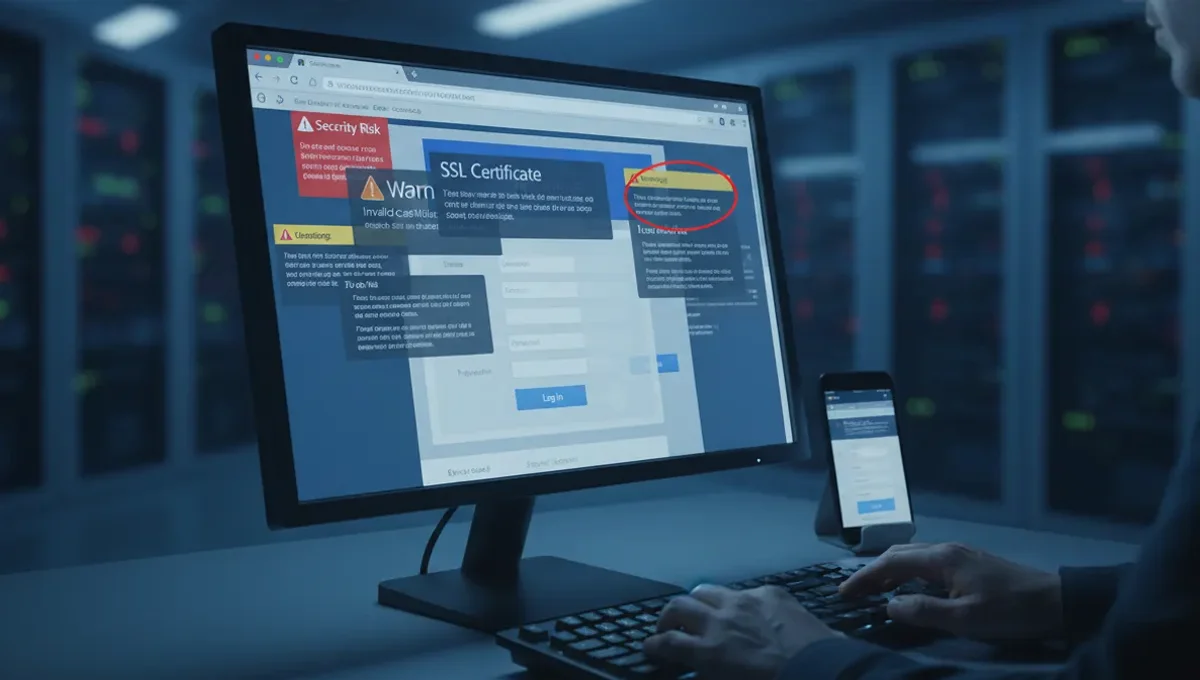
The demand for red room links far exceeds any actual supply, creating a perfect opportunity for scammers. A typical phishing attack works like this: a fake onion link circulates on forums or social media, claiming to offer red room access. The victim visits the site, which mimics a marketplace interface, and is asked to deposit cryptocurrency as a membership fee or proof of funds. Once the payment is sent, the scammer disappears. Some phishing sites use more sophisticated tactics, such as asking for PGP-encrypted messages or identity verification, to build false credibility. Others are honeypots set up by law enforcement or security researchers to identify and track users who express interest in such content. The psychological hook is powerful: curiosity, shock value, and the belief that something so taboo must exist somewhere on the internet. This makes red room scams particularly effective at separating victims from money.
How Darknet Markets Actually Operate vs. Red Room Mythology
Legitimate darknet markets like Alphabay, ASAP, and Briansclub operated as marketplaces for goods and services, not as platforms for live-streamed violence. These markets used escrow systems, vendor reputation scores, and dispute resolution to build trust among users. A vendor's incentive was to complete transactions and maintain a rating, not to broadcast evidence of a crime. The operational security of these markets involved using multiple layers of anonymization, dead drops, and cryptocurrency mixing to avoid law enforcement. Red rooms, by contrast, would require real-time streaming infrastructure, payment processing, and viewer anonymity all to work simultaneously, which creates exponential risk for the perpetrator. The economics don't work: a single live stream could be recorded and distributed, destroying the exclusivity that would justify a high price. Darknet forums and markets have been extensively studied by law enforcement and security researchers, and the consensus is that red rooms are not a functioning business model on the dark web.
Reality Check: What Law Enforcement and Researchers Actually Know
According to public law-enforcement press releases and court records, investigations into alleged red room operations have consistently found either no evidence of the service existing or evidence of scams targeting curious users. The FBI and Europol have issued warnings about red room phishing scams, not about the prevalence of actual red rooms. Academic research on onion services and darknet markets has documented thousands of active listings and vendor profiles, but red rooms do not appear as a documented service category. Security vendors who monitor darknet activity report that red room links are flagged as phishing or malware distribution sites, not as legitimate services. This matters because it means that searching for a red room onion link is far more likely to expose you to financial fraud or malware than to any real criminal service. The gap between the myth and the reality is so wide that it serves as a useful test of whether a source is credible: any site claiming to have verified red room links or offering to connect you to one is either lying or trying to scam you.
Common Phishing Tactics Used in Red Room Scams
Red room phishing sites use several recognizable patterns. First, they create a sense of exclusivity and danger, claiming that access is restricted to verified members or that the site is frequently raided by law enforcement. Second, they ask for payment before any content is shown, using the justification that this proves you are a serious buyer. Third, they mimic the interface and language of real darknet markets, copying design elements from Alphabay, ASAP, or other known sites to appear legitimate. Fourth, they may request personal information or identity verification, which is then used for blackmail or sold to other scammers. Fifth, they sometimes include fake user reviews or testimonials to build false credibility. The most effective scams combine several of these tactics and exploit the fact that most people have never actually used a real darknet market, so they don't know what legitimate operational security looks like. A real marketplace will never ask you to pay to view a product listing, and it will never guarantee access to illegal content before payment.
How to Verify Onion Links and Avoid Phishing Clones
If you encounter a link claiming to be a red room or any other darknet service, here are steps to verify it safely without exposing yourself to scams or malware. First, check whether the link is listed on the Useful Resources page of this site or on verified onion link directories that publish PGP-signed announcements. Second, look for a PGP public key associated with the service and verify that any announcements are signed with that key. Third, cross-reference the onion address on multiple independent sources, not just one forum or social media post. Fourth, check whether the site has a documented history and reputation on established darknet forums. Fifth, if the site is asking for payment before showing any content, assume it is a scam. Sixth, never download files from an unfamiliar onion site without scanning them with antivirus software first. The Tor Project documentation on onion service security emphasizes that phishing and impersonation are the most common attacks against users, and that verification through multiple channels is the only reliable defense.
Why Red Room Mythology Persists
Red rooms remain a fixture of darknet folklore because they satisfy several psychological needs. They represent a boundary between the known internet and the unknowable dark web, a place where anything is supposedly possible. They appeal to morbid curiosity and the desire to access forbidden content. They are also a useful narrative for sensationalist media coverage, which often conflates unverified rumors with documented facts. The persistence of red room mythology is reinforced by the fact that the dark web is genuinely difficult to understand and navigate, so most people's knowledge of it comes from secondhand sources, fiction, or misinformation. This creates a feedback loop: people hear about red rooms, they search for them, they find phishing sites or scams, and those scams reinforce the belief that red rooms must exist somewhere. The reality is that the dark web is far more mundane than the mythology suggests. Most darknet activity involves marketplaces for drugs, stolen data, and hacking services, not exotic crimes. Understanding this reality is the first step toward using the dark web safely and avoiding the scams that prey on misconceptions.
Common Questions
Do red rooms actually exist on the dark web
Documented red rooms are extremely rare or nonexistent. Most red room links are phishing scams designed to steal cryptocurrency or personal information. Law enforcement and security researchers have found no evidence of a functioning red room market, despite extensive monitoring of darknet activity.
What happens if I click on a red room onion link
You will likely encounter a phishing site asking for payment or personal information, or a malware distribution site. Clicking the link itself is not dangerous, but interacting with the site by entering credentials, downloading files, or sending money puts you at risk of fraud or malware infection.
How do I know if an onion link is real or fake
Verify the address on multiple independent sources and check for a PGP-signed announcement from the service operator. Real darknet markets publish their onion addresses on established forums and sign them with a known public key. If a site asks for payment before showing any content, it is almost certainly a scam.
Why do people search for red room links if they don't exist
Red rooms are a fixture of darknet mythology and urban legend, amplified by sensationalist media coverage and fiction. Curiosity about forbidden content, combined with misconceptions about what the dark web is, drives searches for red room links. Scammers exploit this curiosity by creating fake sites.
What is the difference between a red room scam and a real darknet marketplace
Real darknet markets like Alphabay or ASAP operated with escrow systems, vendor reputation scores, and dispute resolution. They never asked for payment before showing product listings. Red room scams skip all of these safeguards and ask for money upfront with no guarantee of any service.