What Was World Market and How Did It Operate
World Market was a darknet marketplace that functioned as a multi-vendor platform where users could buy and sell goods and services using cryptocurrency. Like other major markets such as Briansclub and Benumb, it operated on the Tor network and required users to access it through onion links. The marketplace used a reputation system and escrow mechanism to facilitate transactions between buyers and sellers who were pseudonymous.
The platform hosted vendor storefronts, product listings, and user forums where community members discussed operations and disputes. World Market's infrastructure relied on the same anonymity principles as the Tor network itself, though this did not guarantee the security of user data or funds. The marketplace accepted cryptocurrency payments, typically Bitcoin, and maintained internal wallets for transaction processing.
Like Asap and other darknet markets, World Market faced operational challenges including server downtime, phishing attacks, and law-enforcement pressure. The marketplace's status has fluctuated, with periods of accessibility interrupted by outages and technical issues. Understanding its operational model helps illustrate how darknet markets function and why they remain targets for both criminals and law-enforcement agencies.
Verifying Authentic Onion Addresses and Avoiding Phishing Clones
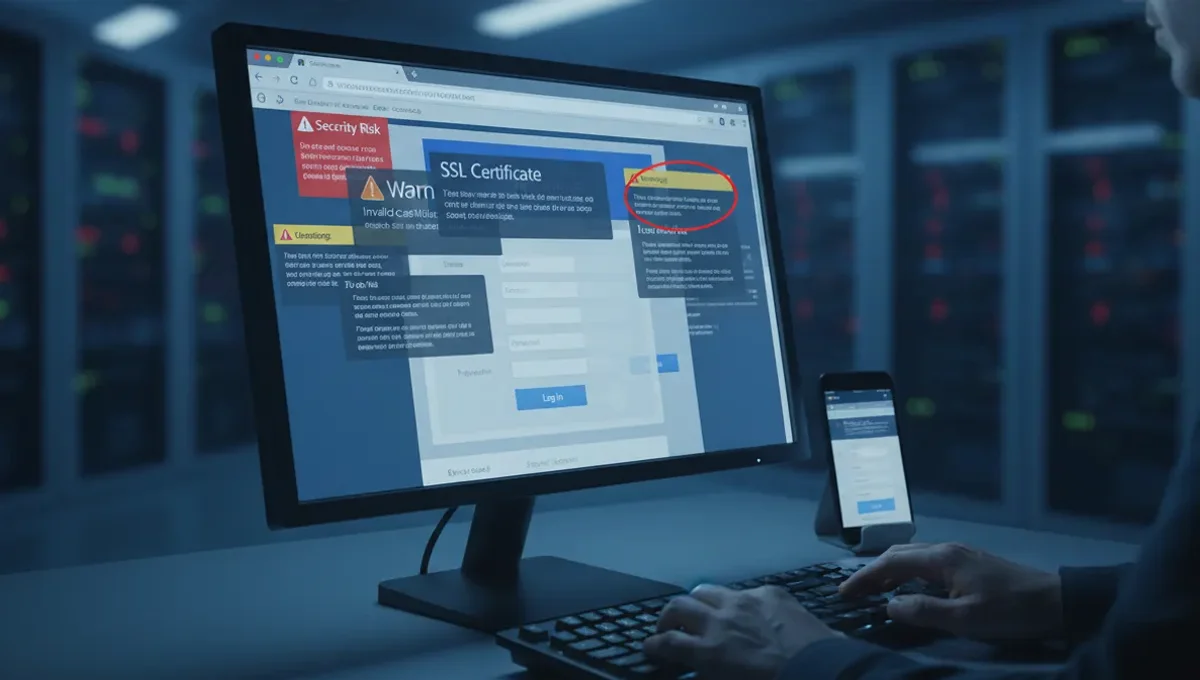
One of the most significant risks when searching for World Market onion links or any darknet marketplace is encountering phishing clones. Scammers create fake versions of popular marketplace onion addresses that closely mimic the legitimate site, stealing login credentials and cryptocurrency from unsuspecting users. Phishing clones often rank highly in search results or appear in forum discussions, making them difficult to distinguish from the real address.
To verify an authentic onion address, follow these steps:
- Check the official announcement channels or PGP-signed statements from marketplace administrators
- Cross-reference the address across multiple independent sources, not just one forum or Reddit thread
- Verify the site's PGP key fingerprint if the marketplace publishes one
- Look for HTTPS certificates and security indicators, though these do not guarantee legitimacy on onion sites
- Use the Useful Resources page of this site to find verified marketplace mirrors and status updates
Phishing clones targeting World Market and similar markets like Alphabay onion links have caused significant financial losses. Users who enter credentials or send cryptocurrency to fake addresses lose access to their funds permanently. Law-enforcement agencies and security researchers have documented hundreds of phishing variants targeting darknet marketplace users.
The Darknet Marketplace Ecosystem and Law-Enforcement Context
Darknet marketplaces operate within a complex ecosystem shaped by law-enforcement actions, technical vulnerabilities, and user behavior. According to public law-enforcement press releases and court records, major marketplaces including World Market, Alphabay onion link operations, and Briansclub have been subjects of investigation by federal agencies such as the FBI and international law-enforcement partners. These investigations have resulted in server seizures, administrator arrests, and marketplace shutdowns.
The operational lifespan of darknet markets typically follows a pattern: launch, growth, increased law-enforcement attention, technical problems, and eventual closure or exit scam. Alphabay, one of the largest darknet markets, was seized in 2017, demonstrating that even established platforms with large user bases are vulnerable to takedown. Asap and other markets have experienced similar fates or voluntary shutdowns by administrators seeking to avoid prosecution.
Security-vendor incident reports and academic research on onion services show that darknet marketplaces frequently suffer from data breaches, theft by administrators, and compromise by law-enforcement. Users who store funds or personal information on these platforms face substantial risks regardless of the marketplace's reputation. This context matters because it illustrates why relying on any single darknet marketplace for sensitive transactions is inherently risky, and why law-enforcement continues to prioritize these operations as targets.
How Darknet Markets Like World Market Attracted Users
Darknet marketplaces attracted users through a combination of perceived anonymity, vendor competition, and the availability of goods and services unavailable on the surface web. World Market, like Benumb and other platforms, offered a structured environment with dispute resolution mechanisms and vendor ratings, which created a sense of legitimacy compared to unmoderated forums. Users believed that the Tor network's anonymity protections would shield their identities and transactions from law-enforcement scrutiny.
The marketplace model replicated familiar e-commerce patterns: product categories, search functions, shopping carts, and checkout processes. This familiarity reduced friction for new users and encouraged repeat transactions. Vendors built reputations over time, and established sellers could command higher prices and attract more buyers. The escrow system, where the marketplace held funds during a transaction and released them upon buyer confirmation, reduced the risk of outright theft between strangers.
However, this structure also created opportunities for fraud. Administrators could exit scam by disappearing with all escrowed funds, vendors could send empty packages or counterfeit goods, and the marketplace itself could be compromised by law-enforcement or hackers. World Market's operational history reflects these tensions: periods of growth interrupted by technical failures, security concerns, and regulatory pressure.
Risks of Accessing Darknet Marketplaces and Onion Links
Accessing darknet marketplaces through onion links carries multiple overlapping risks that extend beyond the marketplace itself. Users who download the Tor browser and connect to onion sites expose themselves to malware, phishing attacks, and law-enforcement monitoring. Law-enforcement agencies conduct undercover operations on darknet markets, posing as vendors or buyers to identify and prosecute users engaged in illegal activity.
Financial risks include cryptocurrency theft, phishing scams, and marketplace exit scams where administrators disappear with user funds. Unlike regulated financial institutions, darknet marketplaces offer no recourse for fraud or theft. Users who lose cryptocurrency to scams have no way to recover their funds. Additionally, purchasing certain goods or services on darknet marketplaces may violate local laws, exposing users to criminal liability.
Data breach risks are substantial. Marketplaces store usernames, encrypted passwords, transaction histories, and cryptocurrency addresses. When a marketplace is seized or hacked, this data can be leaked, potentially exposing users to doxing, blackmail, or law-enforcement investigation. Security researchers have documented multiple instances where darknet marketplace databases were compromised and user information was published. These risks apply equally to World Market, Alphabay onion link users, and participants in any darknet marketplace.
Monitoring Data Breaches and Checking for Compromised Information
If you have ever accessed a darknet marketplace, you should monitor whether your personal information has been compromised in a data breach. Marketplaces like World Market, Asap, and Briansclub have experienced security incidents that exposed user data. Leaked databases often contain usernames, email addresses, hashed passwords, and transaction records that can be used for targeted attacks or identity theft.
To check whether your information has been compromised, follow these steps:
- Use the Useful Resources page of this site to access verified data breach monitoring tools
- Search for your email address or username in publicly available breach databases
- Check whether your email appears in known darknet marketplace leaks
- Monitor your financial accounts and credit reports for suspicious activity
- Consider using a password manager to generate unique, strong passwords for each online account
If your information has been compromised, change your passwords immediately on all accounts where you used the same credentials. Enable two-factor authentication on email and financial accounts to reduce the risk of unauthorized access. Be cautious of phishing emails that reference darknet marketplace breaches or claim to offer recovery services. Scammers often exploit breach notifications to trick users into revealing additional personal information.
Understanding Onion Link Addresses and Tor Network Basics
Onion links are special addresses that route traffic through the Tor network, providing anonymity for both the user and the website operator. These addresses end with the .onion domain extension and are generated using cryptographic keys. Unlike regular web addresses, onion links are not registered through traditional domain registrars and cannot be accessed through standard web browsers without the Tor browser.
The Tor Project documentation explains that onion services use a three-layer encryption system to hide the location of the server and the user's location from each other. This technical architecture is what makes darknet marketplaces possible, but it also makes it difficult to distinguish legitimate onion sites from phishing clones. Two onion addresses may look similar to the human eye, but they route to completely different servers.
When searching for World Market onion links or similar marketplace addresses, you will encounter multiple variations. Some are legitimate mirrors maintained by the marketplace, others are phishing clones designed to steal credentials, and still others are outdated addresses from when the marketplace was offline. The only reliable way to verify an onion address is through official announcements or PGP-signed statements from the marketplace administrators. Never assume that an onion link is legitimate based on its appearance or ranking in search results.
Taking Action: Staying Safe and Informed
If you are researching darknet marketplaces for security awareness, academic purposes, or personal curiosity, prioritize your safety and legal compliance. Do not attempt to access World Market or any darknet marketplace to purchase goods or services, as this exposes you to criminal liability, financial fraud, and data compromise. Instead, focus on understanding how these platforms operate, why they attract users, and what risks they pose.
Your next step is to verify whether your personal information has been compromised in any known darknet marketplace breach. Visit the Useful Resources page of this site to access verified data breach monitoring tools and check your email address. If you find that your information has been exposed, change your passwords immediately and enable two-factor authentication on all critical accounts. Stay informed about law-enforcement actions against darknet markets by following reputable cybersecurity news sources and official press releases. Understanding the ecosystem helps you make informed decisions about your own digital security and recognize social engineering attempts that exploit darknet marketplace breaches.
Common Questions
Is World Market still online and accessible
World Market's operational status changes over time due to technical issues, law-enforcement pressure, and administrative decisions. Rather than assuming the marketplace is currently online, verify its status through official announcements or PGP-signed statements from administrators. Use the Useful Resources page of this site to find verified status updates and mirrors.
How do I know if a World Market onion link is real or a phishing clone
Verify onion addresses through official announcements, PGP-signed statements, and multiple independent sources. Check the marketplace's PGP key fingerprint and cross-reference the address across trusted forums. Never assume an onion link is legitimate based on appearance or search ranking. When in doubt, consult the Useful Resources page for verified mirrors.
What happened to other darknet markets like Alphabay and Briansclub
Alphabay was seized by law-enforcement in 2017, and Briansclub experienced security breaches and operational disruptions. These marketplaces demonstrate that even large platforms with established reputations are vulnerable to takedown, data theft, and administrator exit scams. Law-enforcement agencies continue to prioritize darknet marketplace investigations.
Can I recover money if I get scammed on a darknet marketplace
No. Darknet marketplaces offer no recourse for fraud or theft. Unlike regulated financial institutions, there is no dispute resolution authority or insurance. If you lose cryptocurrency to a scam or phishing attack, your funds are gone permanently. This is why accessing these platforms carries substantial financial risk.
How do I check if my information was leaked from a darknet marketplace
Use verified data breach monitoring tools available on the Useful Resources page of this site to search for your email address or username. Check whether your information appears in known darknet marketplace leaks. If your data has been compromised, change your passwords immediately and enable two-factor authentication on all critical accounts.